
The Australian Government has moved to ease pressure at the bowser last week, announcing a reduction in fuel excise aimed at improving affordability. Effects from this decision are starting to be felt around the country this week. While the headline sounds positive, the reality on the ground still feels heavy. Diesel prices remain elevated, and for many Australians, filling up a standard vehicle is now costing roughly $100 more than it did prior to the recent energy shock. For households and businesses alike, transport costs continue to ripple through everything from groceries to construction.
That feeds directly into the next concern quietly building in the background, inflation. Forecasts are now pointing toward a potential return to the 5% range, which puts the Reserve Bank in a difficult position. After already tightening policy, the risk now is that inflation proves more stubborn than expected, particularly with energy costs refusing to settle. The combination of higher rates and persistent cost pressures is starting to feel less temporary and more structural.
The housing market is beginning to reflect that shift. Sydney and Melbourne have now recorded their first monthly price declines in this cycle, a small but important signal that momentum has turned. Higher interest rates are clearly biting, but it is the layering effect that matters most, rising living costs, borrowing constraints, and the growing conversation around potential changes to negative gearing are all contributing to softer demand. It is not a collapse, but it is a cooling phase that looks like it has further to run.
Internationally, attention turns back to the Middle East, with today shaping as a key decision point in the Iran conflict. Escalation risks remain high, particularly around energy infrastructure. Reports of civilians forming protective presence around key facilities highlight just how serious the situation has become. Any further disruption to oil supply chains would almost certainly feed back into global inflation, placing additional strain on already stretched economies.
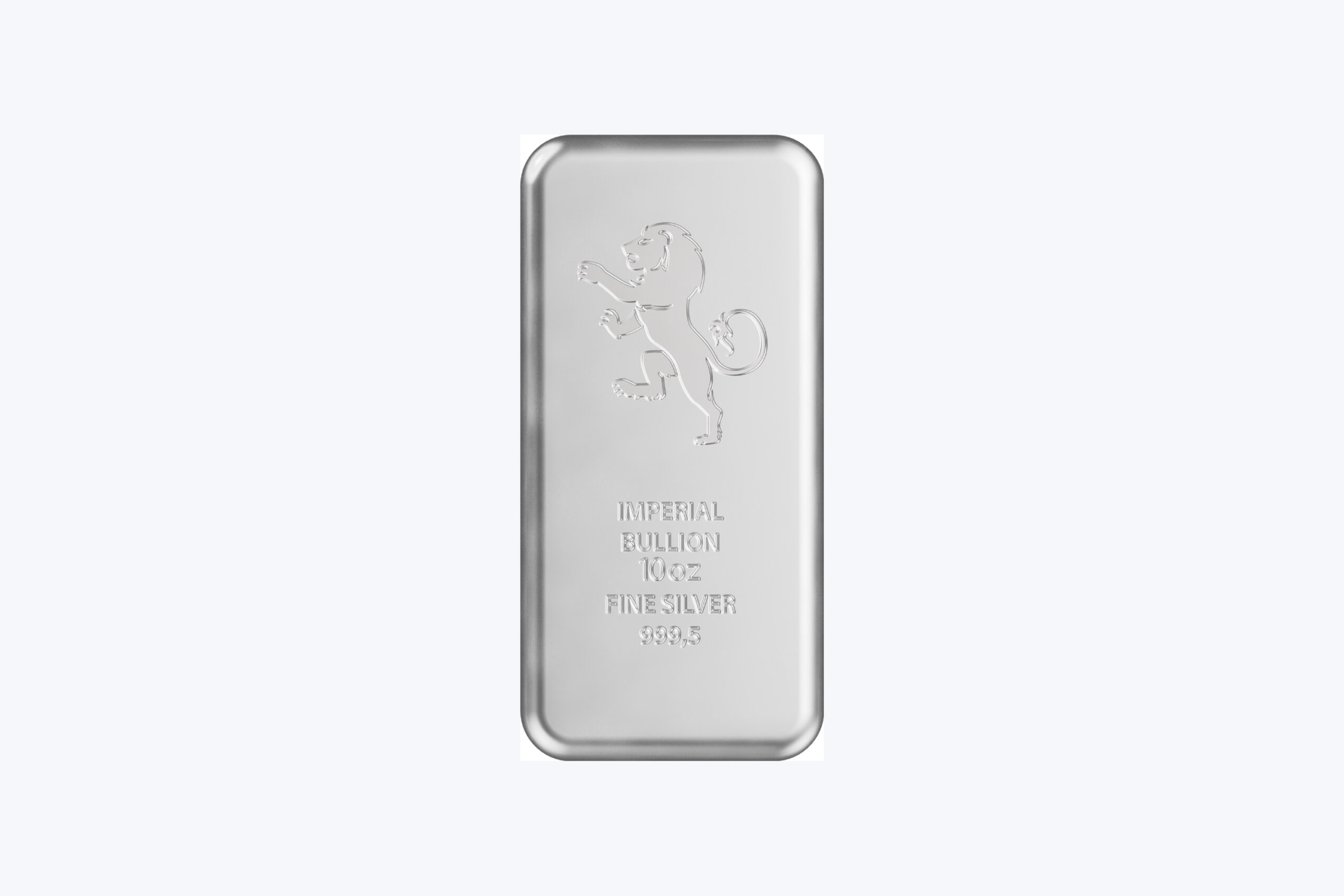
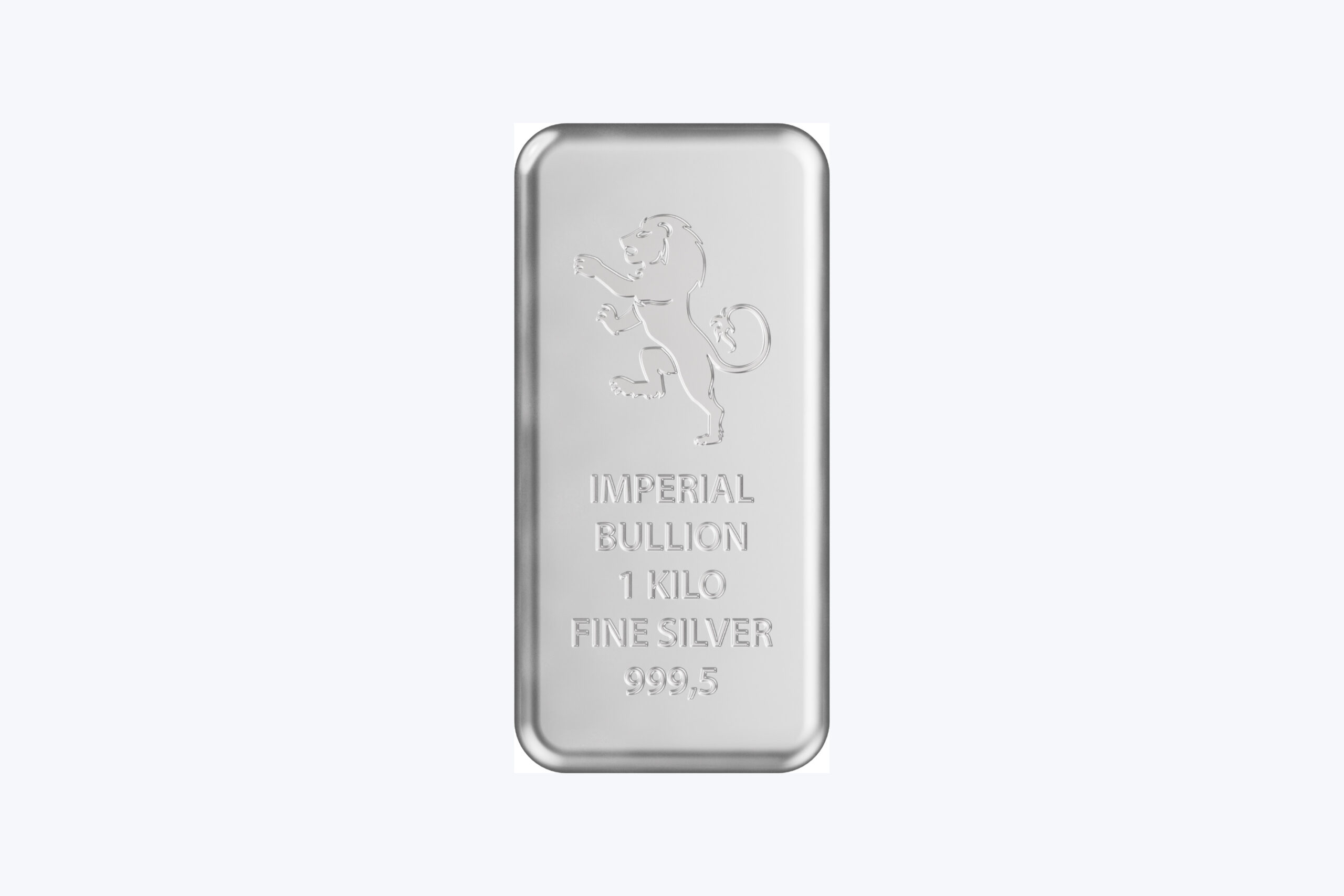
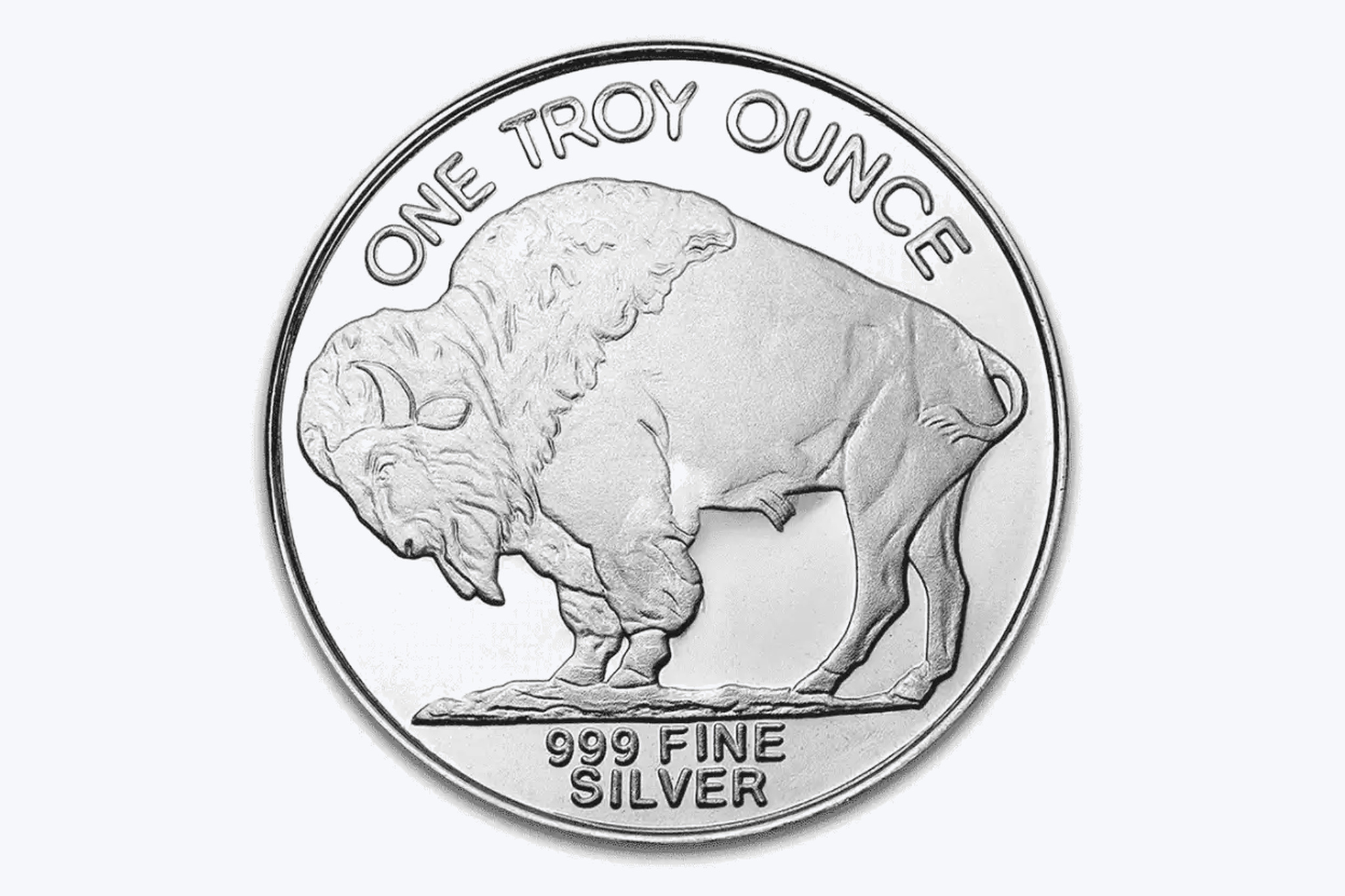
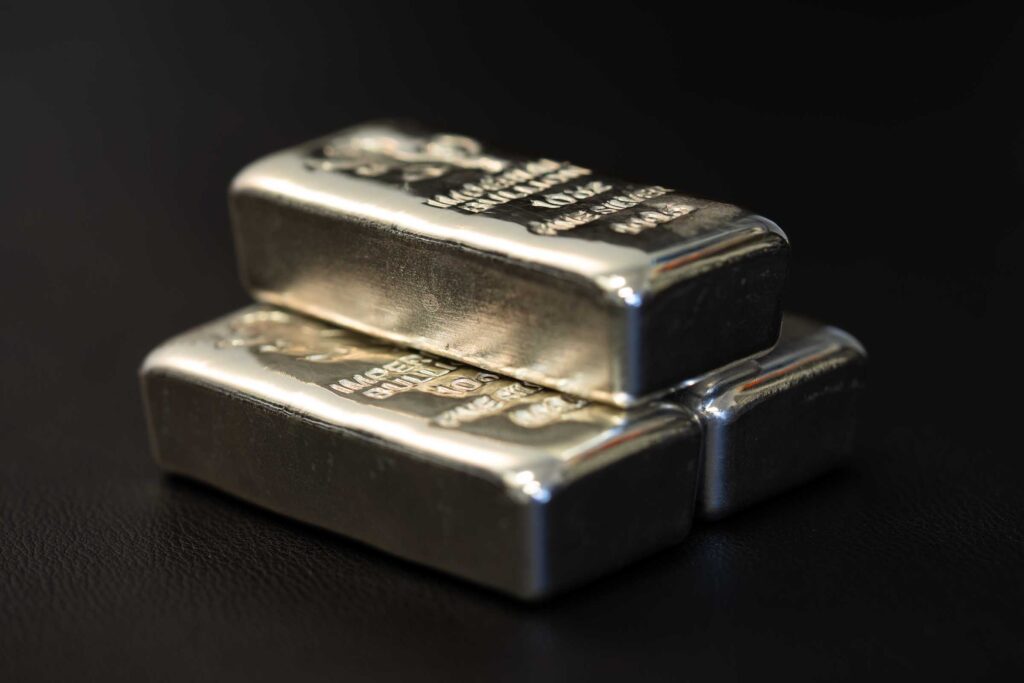
Gold and silver continue to reflect that uncertainty. Both metals are holding, but without conviction. Markets are effectively weighing two difficult paths, persistent inflation that should support bullion, against tightening financial conditions that tend to suppress it. For now, the metals appear to be waiting for clearer direction, caught between bad news and worse news.
Fuel is one of the most important “input costs” in the economy. When diesel rises, it does not just affect drivers, it impacts transport, logistics, farming, mining and manufacturing. Almost every product you buy has a transport component built into its price, so when fuel increases, businesses either absorb the cost or pass it on to consumers. This is why fuel shocks often lead to broader inflation. Even if wages are not rising, the cost of moving goods increases, and that flows through into everyday prices. Governments can temporarily reduce pressure through measures like cutting fuel excise, but unless the underlying cost of energy falls, the inflation effect tends to persist. For gold and silver, this matters because inflation is one of the key drivers of long-term demand. When the cost of living rises and currencies lose purchasing power, investors often turn to hard assets as a store of value. The challenge in the short term is that higher interest rates, used to fight that same inflation, can create opposing pressure on bullion prices.