

Markets are still trying to work out whether the global economy is genuinely holding together, or simply inflating its way through another difficult period.
The Iran conflict has now dragged on for roughly three months, with ongoing pressure around shipping lanes, fuel pricing and broader energy security continuing to ripple through global markets. While headlines around the Strait of Hormuz have become slightly less aggressive in recent days, the underlying issue remains unresolved. Donald Trump has again suggested that a “deal” around Hormuz may be getting closer, helping calm some investor nerves temporarily, though markets have heard similar comments before. For now, volatility has eased slightly, but confidence remains fragile.
The US economy is also beginning to show signs of strain underneath the surface. Retail sales figures continue to rise on paper, but inflation remains the uncomfortable elephant in the room. If consumers are spending more dollars simply because fuel, groceries and household goods cost more, it does not necessarily mean the economy itself is becoming healthier.
In practical terms, many households may actually be purchasing fewer goods overall while still watching their total spending rise. Petrol station spending has increased due to higher energy costs, while categories like furniture, vehicles and discretionary retail have shown softer demand. Discount retailers and budget-focused stores are also seeing stronger activity, often a sign that households are becoming more price sensitive.
That distinction between nominal growth and real growth matters. Rising retail spending can look positive in headlines, but if inflation is absorbing most of the increase, the economy may actually be slowing beneath the surface.
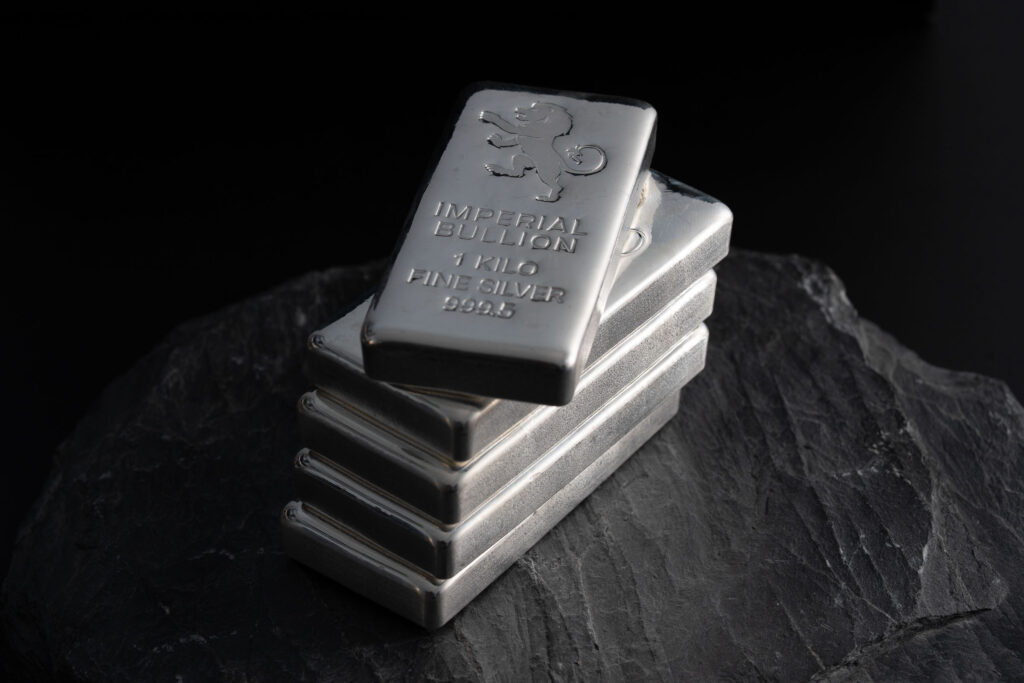
Gold and silver have both softened slightly over the past week as immediate fears around Hormuz eased. Gold continues to track closely alongside its 50-day moving average without showing strong urgency either higher or lower. Silver has also cooled after recent strength, though both metals remain elevated compared to earlier this year.
For bullion investors, the current environment still feels driven by caution rather than confidence. Markets are balancing slowing real-world consumption against stubborn inflation pressures, ongoing geopolitical instability, and central banks still trapped between supporting growth and controlling prices.
Retail sales figures often sound straightforward, but there are actually two ways economists look at them: nominal retail sales and real retail sales. Nominal retail sales simply measure how many dollars were spent in stores and online. The problem is that these numbers do not account for inflation. Real retail sales adjust those figures for inflation, helping economists estimate whether people are actually buying more goods, or simply paying more money for the same items. For example, if retail spending rises 5% over a year, but inflation also rises 5%, then real spending has effectively gone nowhere. Consumers are spending more dollars, but not necessarily improving their purchasing power or lifestyle. This is why inflation-adjusted retail sales are watched closely during periods of economic stress. They often provide a more accurate picture of how healthy consumer demand really is.