

Australia’s housing market is beginning to show signs of strain, with early price declines emerging across both Sydney and Melbourne. After an extended period of resilience, higher interest rates are now flowing through to borrowing capacity and buyer sentiment, while expectations of further tightening are keeping demand subdued. The shift is subtle for now, but it marks a change in tone, particularly in markets that have carried much of the nation’s price growth over the past decade.
The pressure is not purely domestic. Ongoing instability in the Middle East continues to influence global energy markets, and that uncertainty is starting to feed into Australian consumer confidence. Higher fuel costs, rising transport expenses, and broader inflation concerns are all working their way into household budgets. The result is a more cautious buyer, and in turn, softer conditions for property.
Adding to the unease is a sharp geopolitical signal from the United States.
Recent comments suggesting allies should “secure their own oil” highlight a potential shift away from global energy support frameworks. For Australia, this raises longer-term questions around energy security, pricing stability, and exposure to global supply shocks. While not an immediate economic lever, the narrative alone is enough to weigh on forward expectations, particularly in sectors sensitive to cost inputs.
Domestically, attention is now turning to the upcoming Federal Budget, where negative gearing is once again under scrutiny. Any adjustment to these tax settings would have a direct impact on investor behaviour, which has historically underpinned a significant portion of housing demand. Even the possibility of reform is enough to create hesitation, with investors likely to adopt a wait-and-see approach in the weeks ahead.
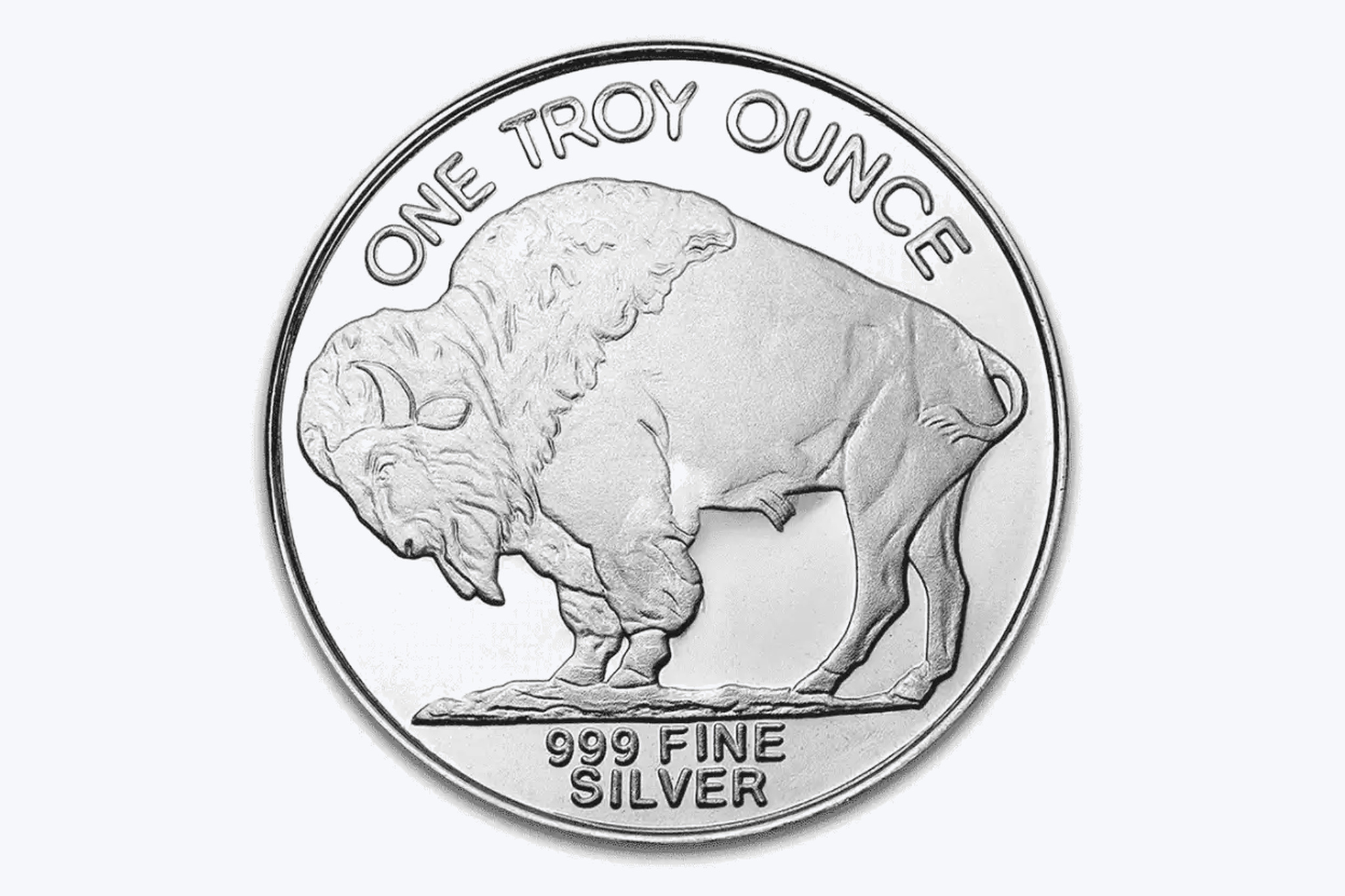
Gold and silver continue to hold relatively firm in this environment. While both metals have eased from recent highs, they remain supported by a backdrop of economic uncertainty, policy risk, and shifting global alliances. In periods where confidence in traditional assets begins to soften, precious metals tend to regain attention as a store of stability.
Negative gearing occurs when the costs of owning an investment property exceed the income it generates, typically through rent. Investors are currently able to offset these losses against their taxable income, effectively reducing their overall tax burden. This has long made property investment more attractive, particularly for higher-income earners. If these tax benefits are reduced or removed, the economics of property investment change quickly. Fewer investors may enter the market, demand could soften, and price growth may slow or reverse in certain segments. While the full impact depends on how any policy is structured, the key takeaway is simple: changes to negative gearing don’t just affect investors, they influence the entire housing market.