
There’s a subtle but important shift developing in global energy markets, with the OPEC alliance potentially facing internal strain. Reports that the UAE is considering stepping away from the group have raised eyebrows, not because it immediately changes supply, but because it challenges the cohesion that has historically underpinned oil pricing control.
For context, the United Arab Emirates is a federation of seven emirates, most recognisably home to global hubs like Dubai and Abu Dhabi. While Dubai is known for tourism and finance, Abu Dhabi holds the bulk of the country’s oil reserves and is the real driver behind its influence in global energy markets. That’s what makes this development more than just political noise. If a country with that level of production capacity begins acting outside of OPEC alignment, it can shift how oil supply is managed globally.
If the UAE does begin moving more independently, it introduces the risk of less coordinated production decisions, which in turn can lead to more volatile oil prices. For markets already dealing with geopolitical tension and supply disruptions, that’s not a small development.
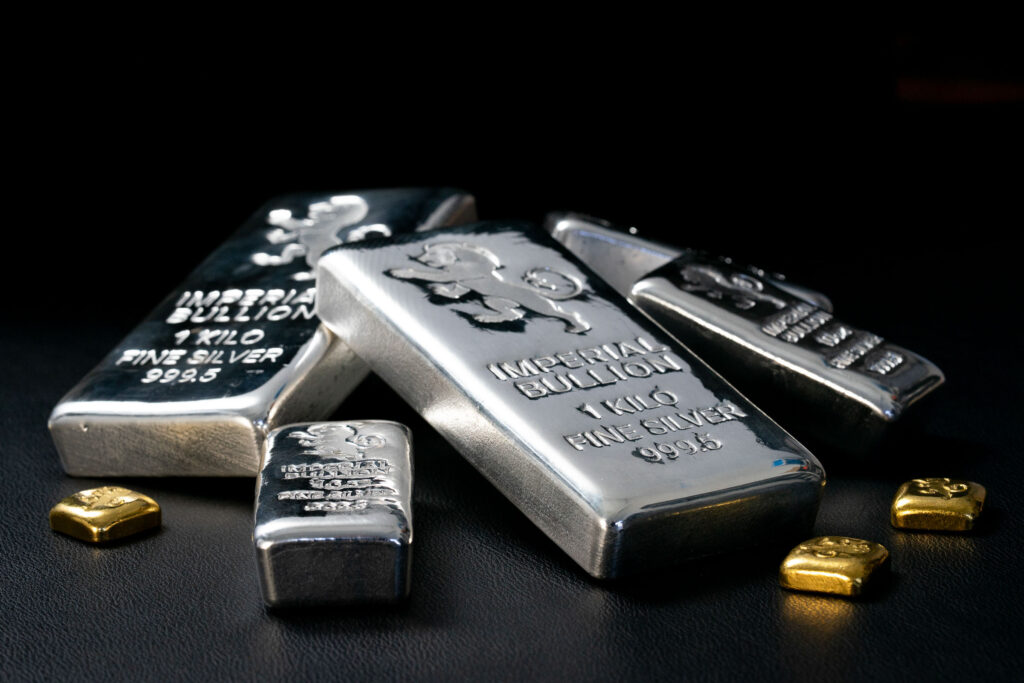
Gold, meanwhile, continues to ease slightly, tracking in line with its softening 50-day moving average. This isn’t a sharp sell-off, more a gradual drift lower as momentum cools. The key point here is that gold tends to follow these technical levels closely when there’s no immediate catalyst. With inflation expectations rising again, the current weakness doesn’t necessarily signal a longer-term shift, more a pause while markets reassess what comes next.
On that front, inflation is quietly rebuilding pressure. In both the US and Australia, underlying cost drivers are still present, particularly through energy, logistics, and production inputs. As those costs continue to filter through, central banks may find themselves forced back into a more hawkish stance than markets are currently pricing in. Rate cuts have been the dominant narrative, but the reality is starting to look less certain. If inflation prints begin to surprise again, rate rises are not off the table.
All eyes now turn to US GDP, due tomorrow evening AEST, with forecasts sitting around 2.2 percent growth. On the surface, that’s a solid number, especially given the broader uncertainty. The question sitting underneath it is what’s actually driving that growth. There is growing speculation that increased government and military spending is playing a meaningful role, which can inflate GDP figures without necessarily reflecting strong consumer or private sector health. If that proves to be the case, markets may start to question the quality of that growth rather than just the headline number.
Taken together, the picture is one of underlying tension. Energy markets are shifting, inflation pressures are building again, and economic growth may not be as clean as it first appears. For gold, that combination still leans supportive over the medium term, even if the short-term price action remains soft.
The Organisation of the Petroleum Exporting Countries, commonly known as OPEC, is a group of major oil-producing nations that work together to manage the global supply of oil. By increasing or decreasing production targets, OPEC aims to stabilise oil prices and maintain steady revenue for its member countries. When the group is aligned, it has significant influence over global energy markets. When cracks begin to appear, such as members considering leaving or ignoring production quotas, that influence weakens, often leading to more unpredictable oil pricing and flow-on effects across inflation, transport costs, and broader economic conditions.