
Australians are becoming uncomfortably familiar with paying $2.50 a litre for unleaded petrol, and with Christmas approaching, household budgets are once again being stretched in every direction. Filling a typical 60-litre tank now costs $150, while higher transport and distribution expenses continue to work their way through supermarket shelves and everyday services. Unfortunately, the Reserve Bank is signalling that the pain may not be over.
Following September’s interest rate increase to 4.60%, the RBA has warned that Australia’s inflation outlook has deteriorated, leaving another increase firmly on the table for its November 3 meeting. With inflation remaining stubbornly above the central bank’s target, households are facing the uncomfortable prospect of paying more for fuel, groceries and their mortgages, all while employment conditions begin to soften.
There is, however, a bigger question around Australia’s approach to inflation. Rather than relying almost entirely on interest rates to suppress household spending, reducing unnecessary government expenditure and accelerating housing construction could help address some of the underlying pressures. Less government demand would give the RBA more breathing room, while additional housing supply would help tackle one of Australia’s most persistent cost-of-living problems. Neither is an overnight solution, but both deserve considerably more attention than simply asking mortgage holders to tighten their belts again.
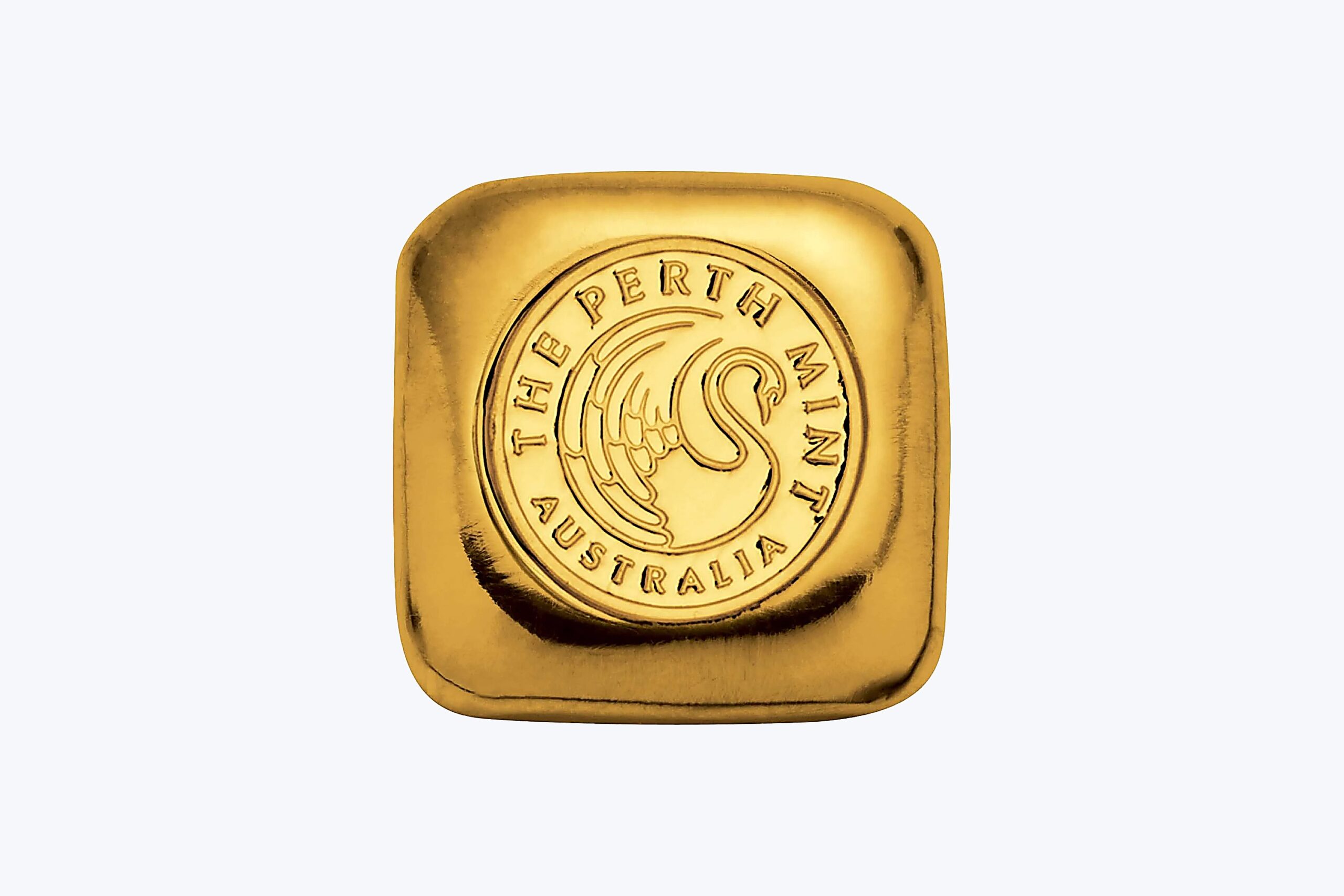
Meanwhile, precious metals are presenting a rather different picture. Gold continues to cling to the US$4,000 mark, equivalent to approximately A$5,700 per ounce, demonstrating resilience despite considerable uncertainty across global financial markets. Its ability to hold these levels suggests investors remain interested in protecting wealth against inflation, geopolitical instability and weakening economic confidence.
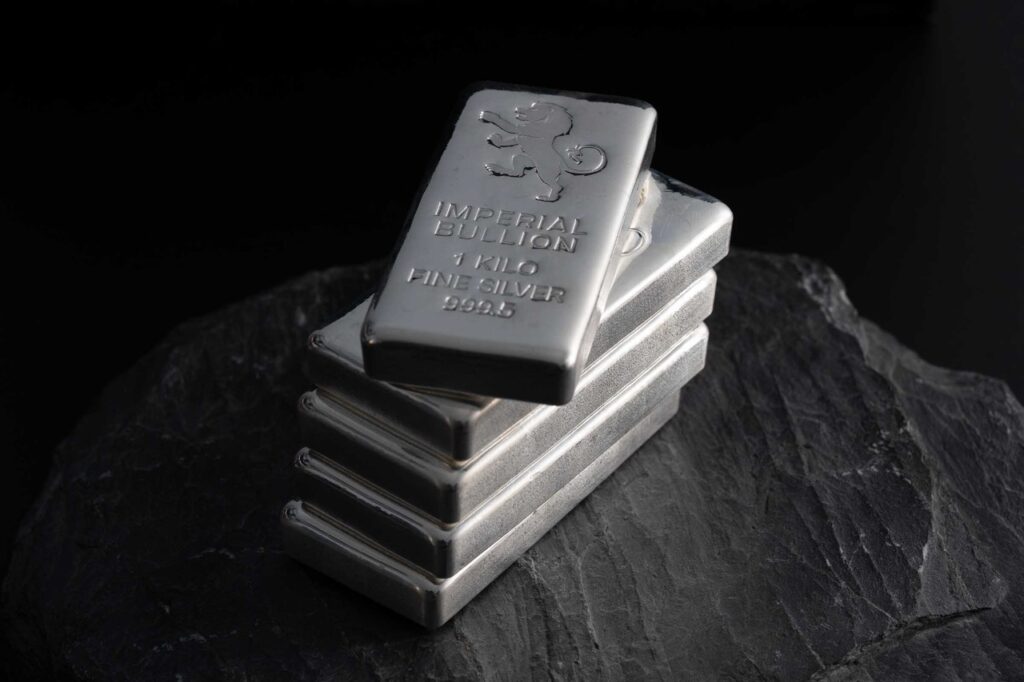
Silver, on the other hand, has experienced a considerably rougher ride. After reaching highs around US$117 (approximately A$166) per ounce, the metal has retreated dramatically to approximately US$54 (A$77), representing a decline of nearly 54%. The sell-off has been substantial, although silver‘s tendency to amplify movements in the precious metals market is nothing new.
Interestingly, silver‘s daily Relative Strength Index (RSI) is now sitting around 32, approaching the traditionally oversold territory below 30. This raises the possibility that selling pressure may be nearing exhaustion, potentially creating an opportunity for prices to stabilise before recovering. However, an oversold reading alone doesn’t confirm a bottom, and investors will be watching for improving momentum and stronger buying support before declaring the correction finished.
For Australian investors, the coming weeks could be particularly interesting. With inflation refusing to disappear, interest rates threatening to climb further and economic confidence remaining fragile, the argument for holding tangible assets continues to attract attention. Gold appears to be finding its feet, while silver may be approaching a point where the balance between risk and opportunity begins to look considerably more attractive.
The Relative Strength Index, or RSI, is a technical indicator measuring the strength of recent price movements on a scale from 0 to 100. Readings above 70 are traditionally considered overbought, while readings below 30 suggest an asset may be oversold.
With silver‘s daily RSI around 32, the metal is approaching a level that historically attracts attention from traders searching for a potential reversal. Following a correction of approximately 54%, even a modest improvement in buying momentum could produce a meaningful recovery.
However, oversold markets can remain oversold for extended periods, particularly when broader market sentiment is negative. A more convincing recovery would involve silver establishing support, recording higher lows and seeing its RSI climb back towards 40–50, indicating that selling pressure is easing.
For investors considering silver, the distinction between an asset being cheaper and an asset having established a bottom is important. Technical indicators provide useful clues, but rarely offer certainty.
Disclosure: This article is provided for general information and educational purposes only and does not constitute financial advice. Markets can move quickly and past performance is not a reliable indicator of future results. Always conduct your own research and consider your personal circumstances before making investment decisions.