
As we head into the Easter break, we’d like to wish all our readers a safe and enjoyable long weekend. While markets take a brief pause, the underlying themes from the past week remain firmly in play.
This week has not been defined by a single headline moment, but by a steady build of pressure across multiple fronts. When taken together, the signals point to an environment that is becoming increasingly difficult to navigate, both domestically and globally.
In Australia, the shift has been most visible in sentiment. Early signs of softness in the housing market have begun to emerge, particularly in Sydney and Melbourne, as higher interest rates continue to weigh on borrowing capacity. At the same time, attention has turned toward the upcoming Federal Budget, where potential changes to negative gearing have added another layer of uncertainty for investors. Neither factor alone is enough to move the market significantly, but combined, they are starting to influence behaviour.
Cost pressures have remained a constant theme throughout the week. The ongoing Iran conflict continues to push fuel prices higher, with Australia among the hardest hit globally. These increases are now flowing through into everyday costs, from transport to goods and services, reinforcing the broader inflation story at a time when households are already under strain.
Globally, the tone has been similar. In the United States, expectations of rising unemployment and weaker consumer confidence suggest that growth is beginning to ease. Importantly, this slowdown is occurring alongside elevated costs, creating a more challenging backdrop for both policymakers and markets.
Geopolitics has also played a role in shaping expectations. Commentary out of the United States around energy independence for allies has added to the sense that global support structures may be shifting. While not an immediate economic lever, it contributes to a broader feeling of uncertainty that is now feeding into markets.
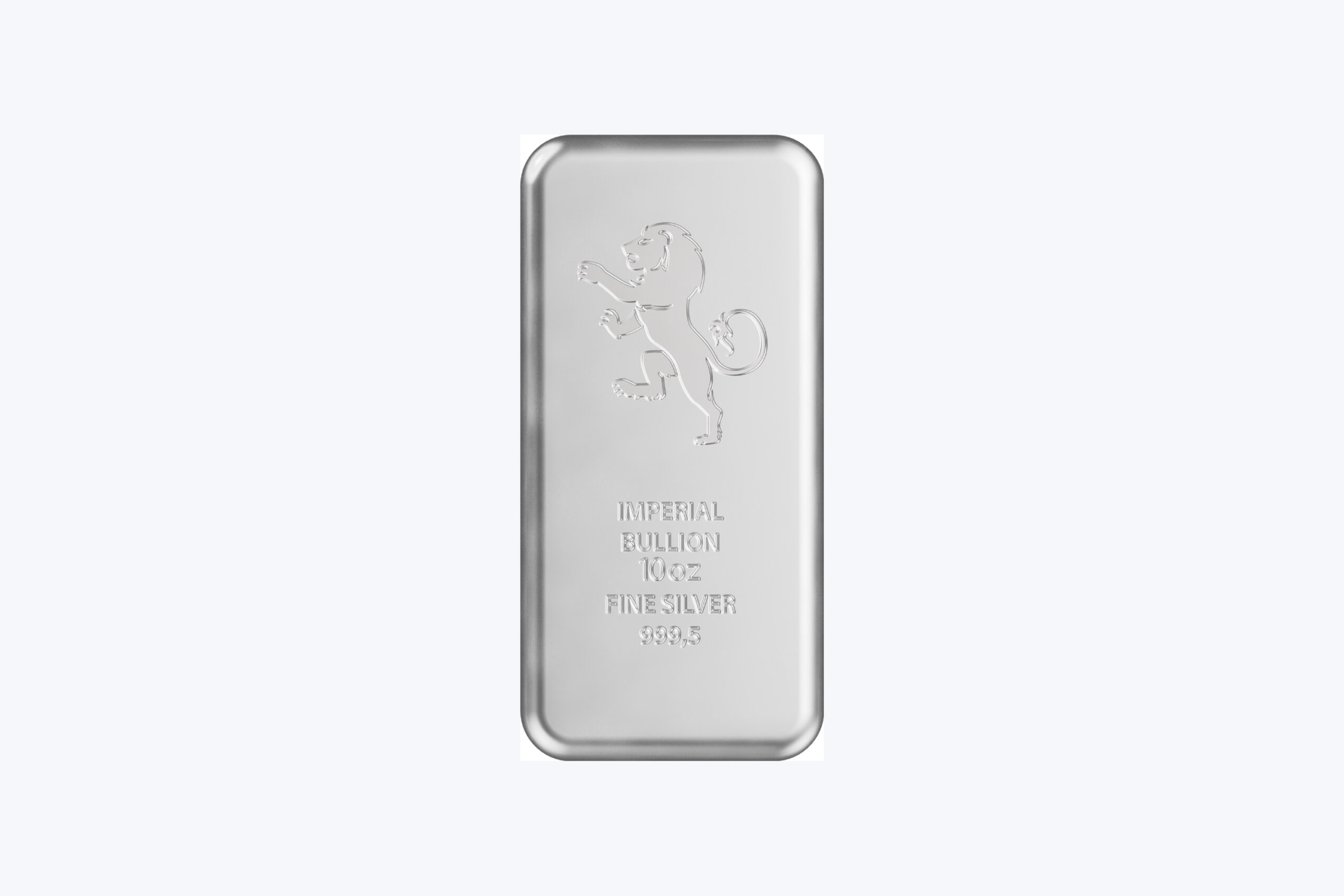
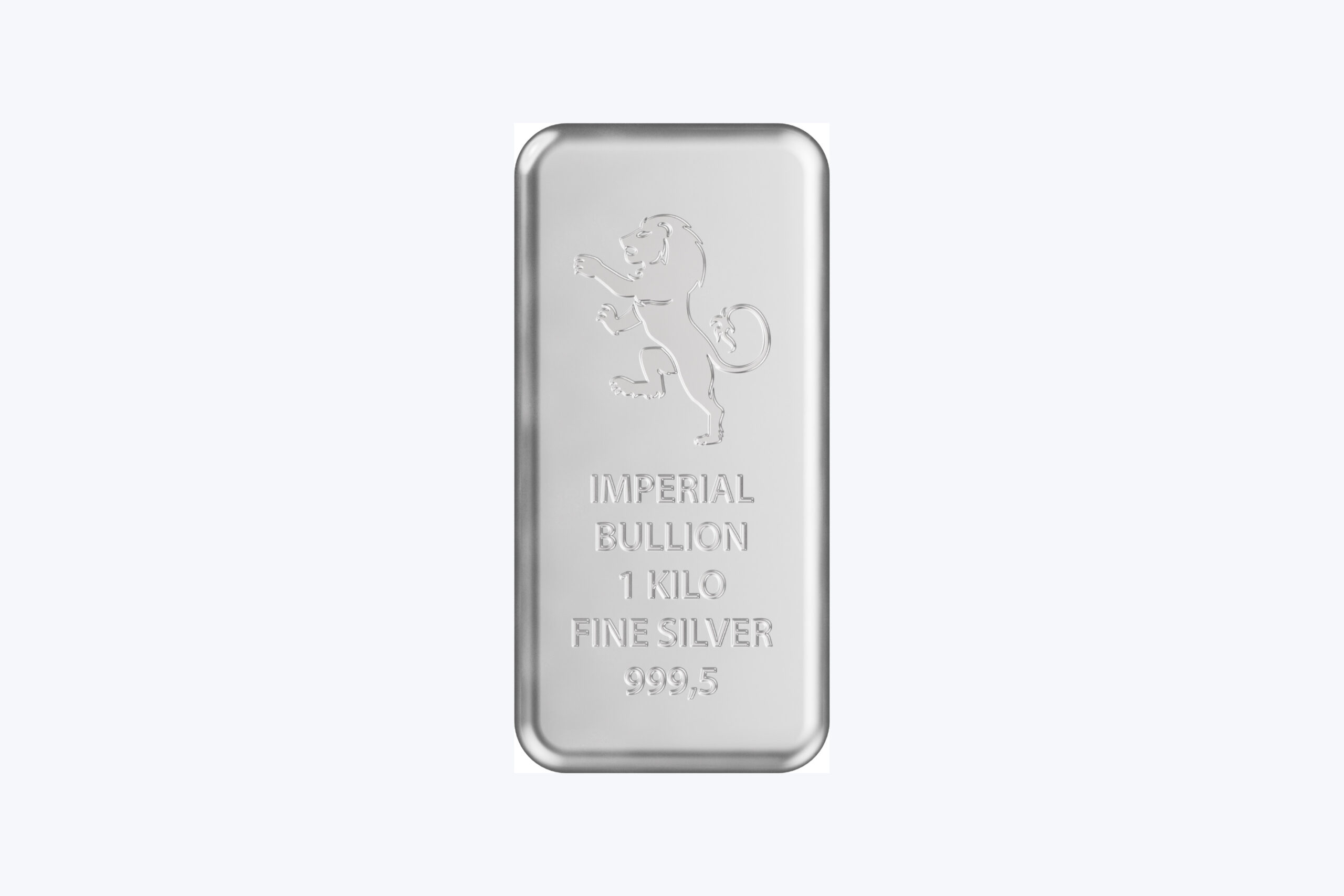
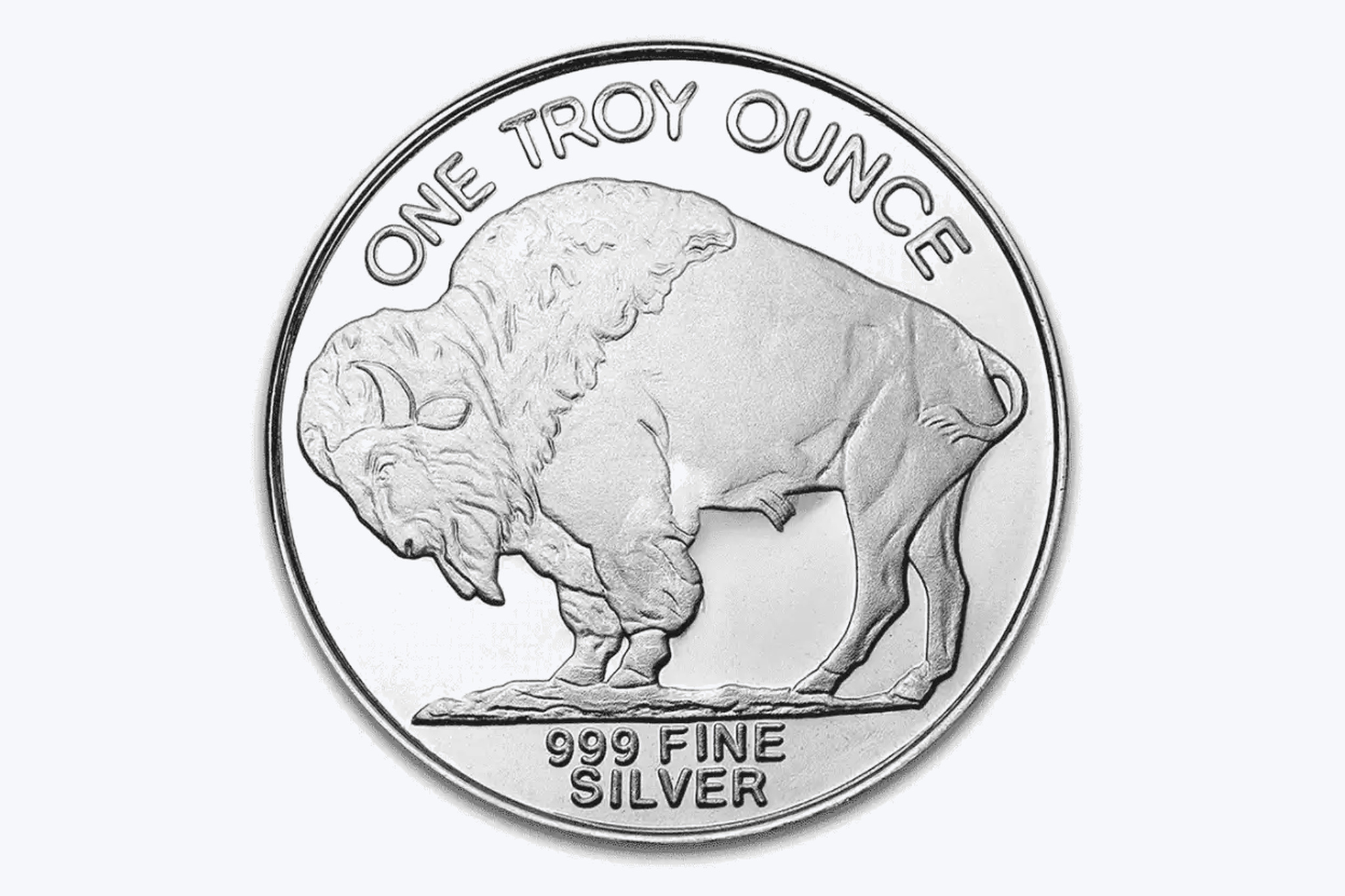
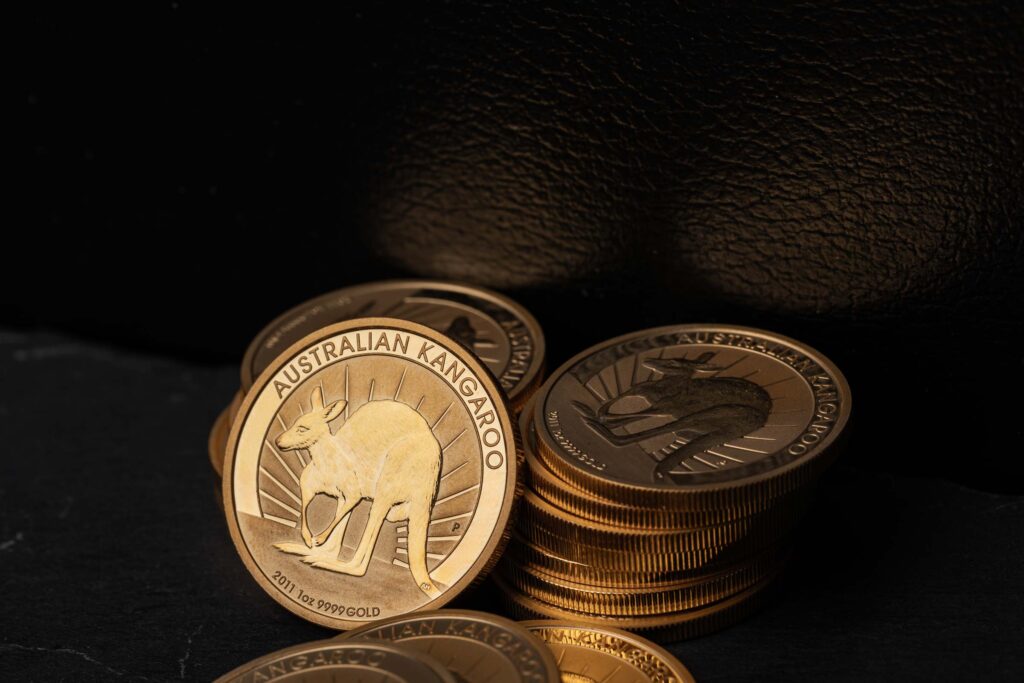
Precious metals have reflected this environment. Gold has strengthened through the week, now sitting around $4,600 USD, holding firm despite volatility across other asset classes. Silver has remained relatively stable, continuing to track both industrial demand and inflation expectations. The move in gold in particular suggests that investors are beginning to position more defensively as uncertainty builds.
The key takeaway from the week is not a sharp deterioration, but a gradual change in tone. Growth is showing signs of fatigue, costs remain elevated, and confidence is becoming more cautious. It is this combination, rather than any single data point, that is now shaping market direction.
Gold is often viewed as a store of value because it is not directly tied to any one economy or currency. When uncertainty increases, whether through economic slowdown, inflation, or geopolitical tension, investors tend to reduce exposure to riskier assets and look for stability.Unlike equities or property, gold does not rely on earnings or growth to justify its value. Instead, it reflects confidence, or lack of it, in the broader system. When that confidence starts to weaken, even gradually, gold often begins to attract more attention, which is what we are starting to see play out now.