
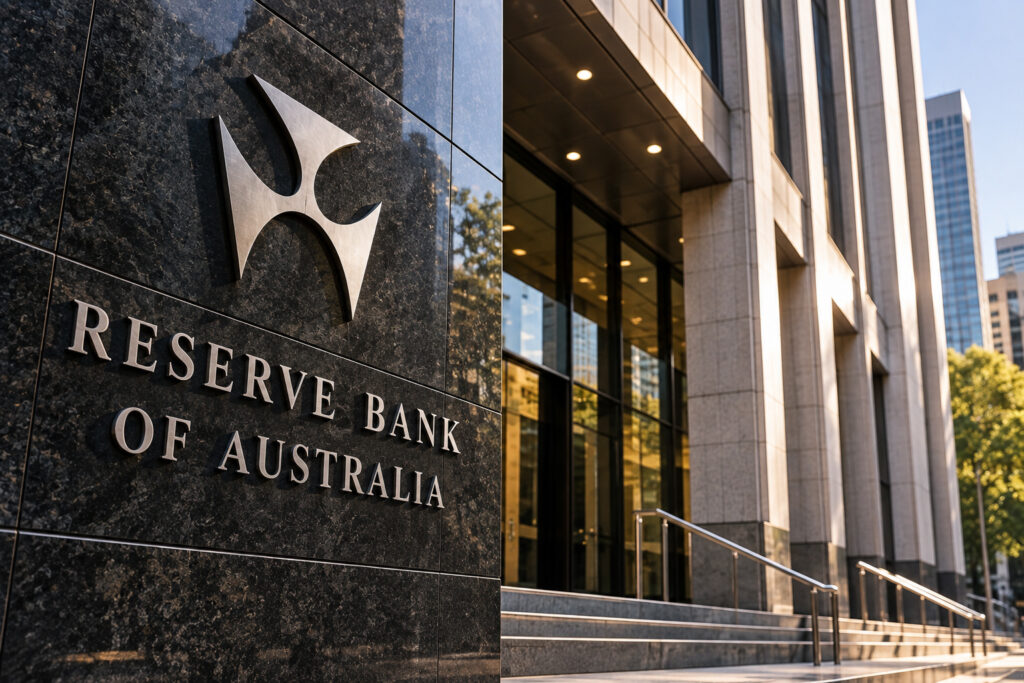
For Australian households, particularly those with mortgages, the impact will be immediate once lenders pass the increase through. A household with a $600,000 mortgage could see repayments increase by around another $90 per month, adding to the increases already absorbed during this year’s tightening cycle. Across four rate increases, that same household could now be finding roughly $360 more each month just to service the same loan.
That is more than $4,000 a year disappearing from household budgets before Australians have bought an extra litre of fuel, paid an electricity bill or walked through the supermarket checkout. Multiply that across hundreds of thousands of households and the economic impact becomes much easier to understand, as money that might otherwise have been spent at restaurants, retailers, trades, tourism operators and other Australian businesses is redirected towards mortgage repayments.
This reduction in spending is ultimately part of what the RBA is trying to achieve. Higher interest rates discourage borrowing, encourage saving and remove discretionary spending from the economy, gradually reducing demand and therefore some of the pressure on prices.
The difficulty is that higher rates cannot solve every source of inflation. Increasing someone’s mortgage repayments doesn’t produce more oil, reduce international shipping costs or suddenly increase the supply of housing, energy or imported goods. The RBA is therefore using the tool available to it — reducing demand within Australia — even when some of the inflation Australians are experiencing originates well outside household spending.
There is another consequence of higher Australian interest rates that is particularly important for gold and silver investors: the Australian dollar. Higher interest rates can make Australian-dollar assets more attractive relative to investments in countries offering lower returns. This can increase demand for Australian dollars and, all else being equal, provide support for our currency against the US dollar.
That relationship matters because international gold and silver markets are primarily priced in US dollars, while Australians buy and sell their metals in Australian dollars. Our local bullion price is therefore influenced by two moving parts at the same time: the international price of the metal and the value of the Australian dollar.
If gold were trading at US$4,000 per ounce and the Australian dollar was worth US$0.70, the converted gold price would be approximately A$5,714. If the Australian dollar strengthened to US$0.75 while gold remained completely unchanged at US$4,000, the Australian price would fall to approximately A$5,333.
That’s a difference of almost A$400 per ounce without the international gold price moving at all. The opposite occurs when our currency weakens. If international gold remains steady while the Australian dollar falls against the US dollar, Australians require more dollars to purchase the same ounce of gold, pushing the Australian-dollar gold price higher.
With the RBA now pushing Australian rates higher, the direction of the Australian dollar becomes another important part of the local bullion story. A stronger currency could temporarily work against Australian gold and silver prices, while continued weakness in the dollar could provide additional support even if international precious metal markets remain relatively steady.
Australians sometimes look at an international gold chart and wonder why the price movement doesn’t perfectly match what they’re seeing locally. The missing ingredient is often the exchange rate.
Gold is traded internationally in US dollars, so every movement in AUD/USD changes what that international gold price is worth to an Australian investor. When our dollar strengthens, we effectively gain purchasing power internationally and require fewer Australian dollars to buy the same amount of gold. When our dollar weakens, the opposite occurs.
Interest rates are only one factor influencing currencies, alongside economic growth, commodity prices, global risk and expectations about what central banks will do next. However, this week’s RBA decision gives Australian investors another reason to watch the dollar alongside gold and silver.
For Australians investing in precious metals, the international metal price tells only half the story. The Australian dollar helps determine what that metal is actually worth here at home.
Disclosure: This article is provided for general information and educational purposes only and does not constitute financial advice. Markets can move quickly and past performance is not a reliable indicator of future results. Always conduct your own research and consider your personal circumstances before making investment decisions.