

Oil prices continued their recent slide overnight as traders grew increasingly confident that a formal agreement between the United States and Iran may be close. Donald Trump has indicated that a deal could be signed within days, raising hopes that tensions around the Strait of Hormuz may finally begin to ease. The prospect of uninterrupted energy supplies has removed some of the fear premium that was supporting oil prices throughout recent months, and markets are now beginning to price in a more stable Middle East outlook.
The decline in oil is significant because energy costs influence almost every part of the global economy. Lower fuel prices can reduce transport and manufacturing costs, ease inflationary pressures and potentially provide some relief to central banks that have spent the past several years battling rising prices.
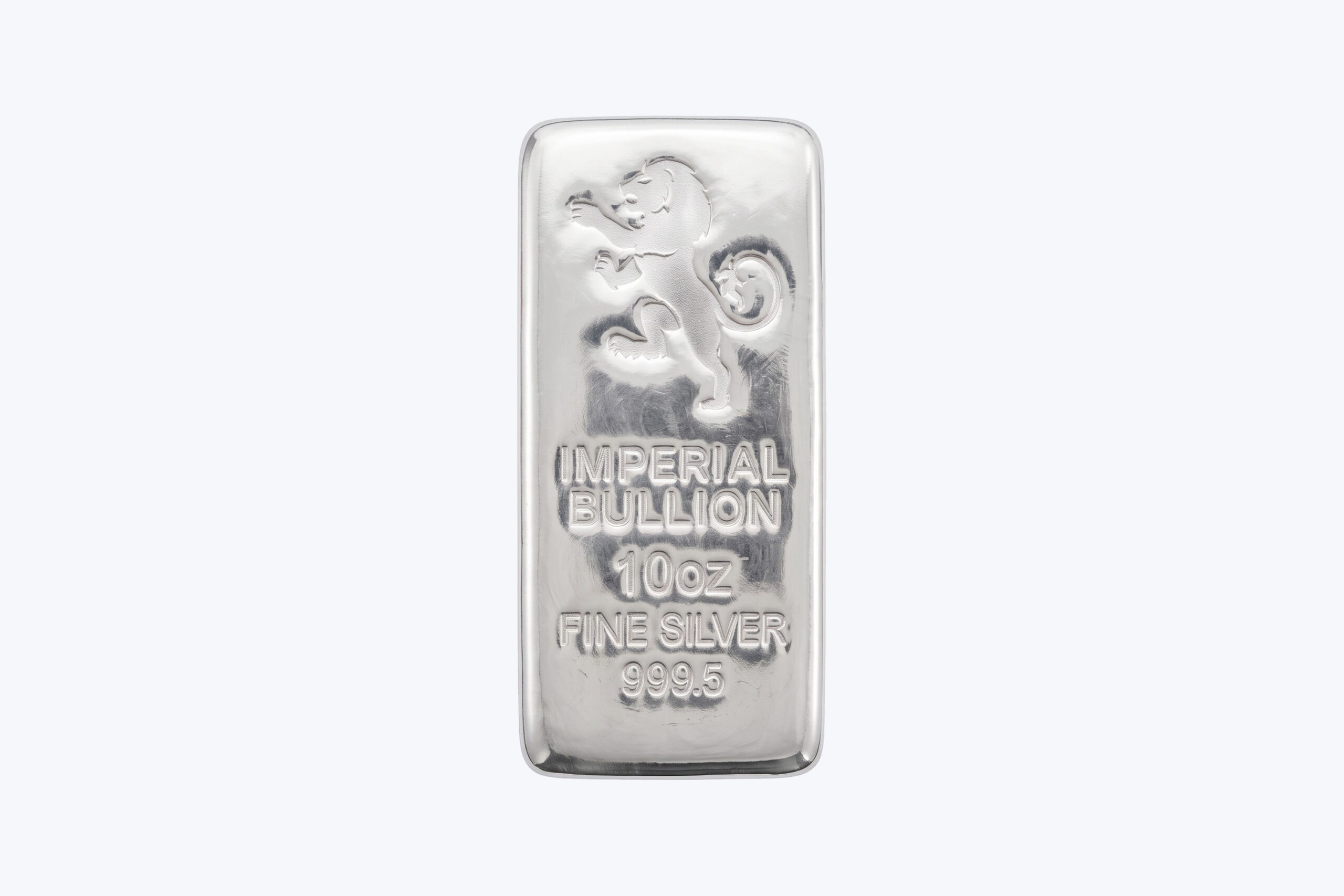
Gold responded positively overnight, climbing around 1.5% after several weeks of weakness. While the move is encouraging for bullion investors, it remains too early to determine whether a sustained recovery is underway. The recent pullback has seen gold trade below its 50-day moving average, a level closely watched by technical traders as a gauge of short-term momentum. The next challenge for the precious metal will be whether it can regain and hold above that level. If it can, confidence may begin returning to the market. If not, investors may continue to exercise patience while waiting for a stronger catalyst.
Closer to home, Australia’s political landscape is generating its own surprises. Recent polling has reportedly placed Pauline Hanson ahead of the major party leaders in preferred prime minister discussions, a result that would have seemed almost impossible only a few years ago. While polls often fluctuate, the result reflects a deeper trend that has been building across Australia for some time.
Australians continue to face cost-of-living pressures, housing affordability challenges and increasing frustration with government policy from both sides of politics. As confidence in traditional institutions declines, support is increasingly flowing toward independent candidates and minor parties that position themselves outside the political establishment. Whether this ultimately translates into electoral success remains uncertain, but it is becoming increasingly clear that many voters are looking for alternatives to the traditional Labor versus Coalition contest that has dominated Australian politics for generations.
With energy markets focused on peace, bullion investors watching for a technical recovery and voters expressing growing dissatisfaction with the status quo, the second half of 2026 is shaping up to be anything but predictable.
Political polling is designed to provide a snapshot of voter sentiment at a specific point in time. Polling companies survey a representative sample of voters and use statistical techniques to estimate how the broader population is likely to vote if an election were held today. No poll asks every Australian how they intend to vote. Instead, researchers attempt to build a sample that reflects the country across age groups, genders, locations, income levels and voting history. The larger and more representative the sample, the more reliable the result is likely to be. Even then, every poll has a margin of error, which means the actual result can differ from the published figures. Polls matter because they often reveal shifts in public confidence before those changes appear in election results. Investors, businesses and policymakers closely watch polling trends because political change can influence taxation, spending, regulation, energy policy, housing policy and economic growth. Importantly, a single poll rarely tells the whole story. Most analysts focus on trends that develop over weeks or months rather than reacting to one result in isolation. When support for a candidate or party rises consistently across multiple polls, it can signal a genuine change in public sentiment and potentially foreshadow a broader shift in the political landscape. For investors, polling is less about predicting who will win an election and more about understanding what voters are worried about. Rising support for outsider candidates or minor parties often reflects growing dissatisfaction with economic conditions, cost-of-living pressures or confidence in government, all of which can have significant implications for markets and business confidence.