

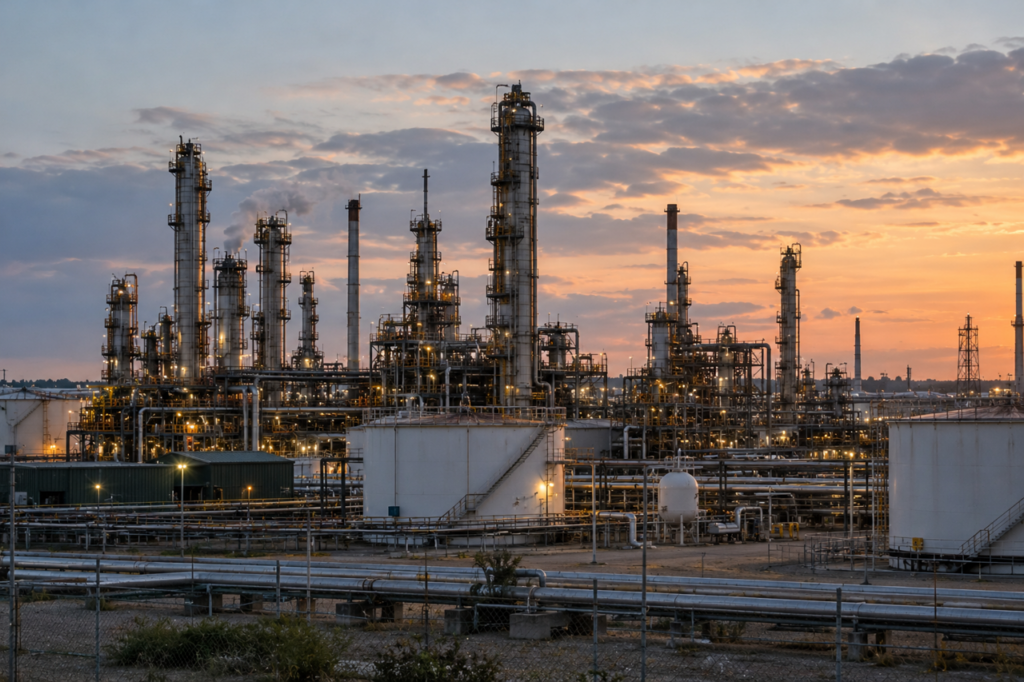
Brent crude was trading around US$106 a barrel earlier this week, with the market increasingly concerned that the conflict could extend well into 2027. The International Monetary Fund has modelled a scenario in which continued disruption pushes oil towards US$130 a barrel, potentially creating another substantial inflation shock for economies already struggling with higher borrowing costs.
Perhaps the clearest indication of how serious the diesel shortage has become is Donald Trump’s decision to negotiate directly with Russia. Despite Washington’s recent sanctions against Moscow over the Ukraine conflict, Trump has reached an agreement with Vladimir Putin to release Russian diesel into international markets. Russia confirmed yesterday that shipments had resumed, with an initial 300,000 tonnes expected to be followed by considerably larger volumes in the coming months.
For Australia, the consequences are already painfully familiar. Petrol prices across our five largest cities averaged approximately $2.39 per litre in early October, while diesel remained around $2.81. Compared with prices before the conflict, Australians are paying approximately 68 cents more for every litre of petrol and $1.04 more for diesel. For a household filling a 60-litre petrol tank each week, that’s roughly $40 extra per fill, or more than $2,100 annually.
And diesel is arguably the bigger economic concern. Australia’s agricultural machinery, freight networks, construction equipment and mining operations depend heavily on it. When diesel becomes more expensive, the cost of transporting food, delivering building materials and moving everyday goods increases alongside it. Those additional costs eventually work their way through the broader economy, placing further pressure on inflation.
This creates another headache for the Reserve Bank, which has already raised interest rates four times during the current tightening cycle. Higher oil prices threaten to undo some of the central bank’s efforts to contain inflation, potentially keeping borrowing costs elevated even as households and businesses struggle with weaker economic conditions.
So where does this leave gold?
Historically, geopolitical uncertainty, persistent inflation and concerns about currency stability have encouraged investors to consider gold as a defensive asset. A prolonged energy crisis could strengthen that appeal, particularly if rising fuel costs begin undermining confidence in global economic growth.
However, the relationship isn’t entirely straightforward. If higher oil prices force central banks to maintain elevated interest rates, gold can face pressure from stronger bond yields and a firmer US dollar. For Australian investors, movements in the AUD/USD exchange rate add another consideration, as a weaker Australian dollar can support local gold prices even when the international US-dollar price is struggling.
With oil supplies still vulnerable, inflation proving difficult to contain and geopolitical tensions showing little sign of disappearing, gold and silver remain important markets to watch. The question is no longer simply how high oil prices might climb, but how much economic damage could accumulate before global energy markets return to something resembling normality.
Australia produces crude oil and exports substantial amounts of energy, yet we remain heavily dependent on imported refined fuels. Almost 80% of our petrol, diesel and jet fuel requirements are met through imports, predominantly from Asian refineries. Those refineries frequently depend on Middle Eastern crude oil, meaning disruptions thousands of kilometres away can directly affect the prices Australians pay at the bowser.
Disclosure: This article is provided for general information and educational purposes only and does not constitute financial advice. Markets can move quickly and past performance is not a reliable indicator of future results. Always conduct your own research and consider your personal circumstances before making investment decisions.