

Financial markets are entering a potentially pivotal session as investors await the latest US Consumer Price Index (CPI) report, due later today. Economists are expecting annual inflation to print around 4.2%, a figure that would suggest inflation remains stubbornly above the comfort zone of policymakers.
A result near or above expectations would reinforce concerns that inflation pressures are proving difficult to eliminate, potentially delaying future interest rate cuts and keeping borrowing costs elevated for longer. Markets have become increasingly sensitive to inflation surprises, particularly as economic growth begins to show signs of slowing in several major economies.
While global investors focus on inflation, a different economic conversation is gathering momentum in Australia.
Recent debate surrounding gas export taxation has prompted broader questions about how governments raise revenue and whether Australians are receiving fair value from the nation’s resources and services. One surprising example attracting attention is the Australian passport system.
By the end of the decade, passport revenue is expected to generate around $1.2 billion annually for the Federal Government. For what many consider an administrative service, the figure has sparked discussion about whether passport fees have become a significant revenue source rather than simply recovering operating costs.
The conversation reflects a wider concern emerging across Australia. As government spending requirements increase and budget pressures mount, many Australians are questioning whether revenue is being sourced from the most productive parts of the economy, or increasingly from consumers through fees, charges and indirect taxes.
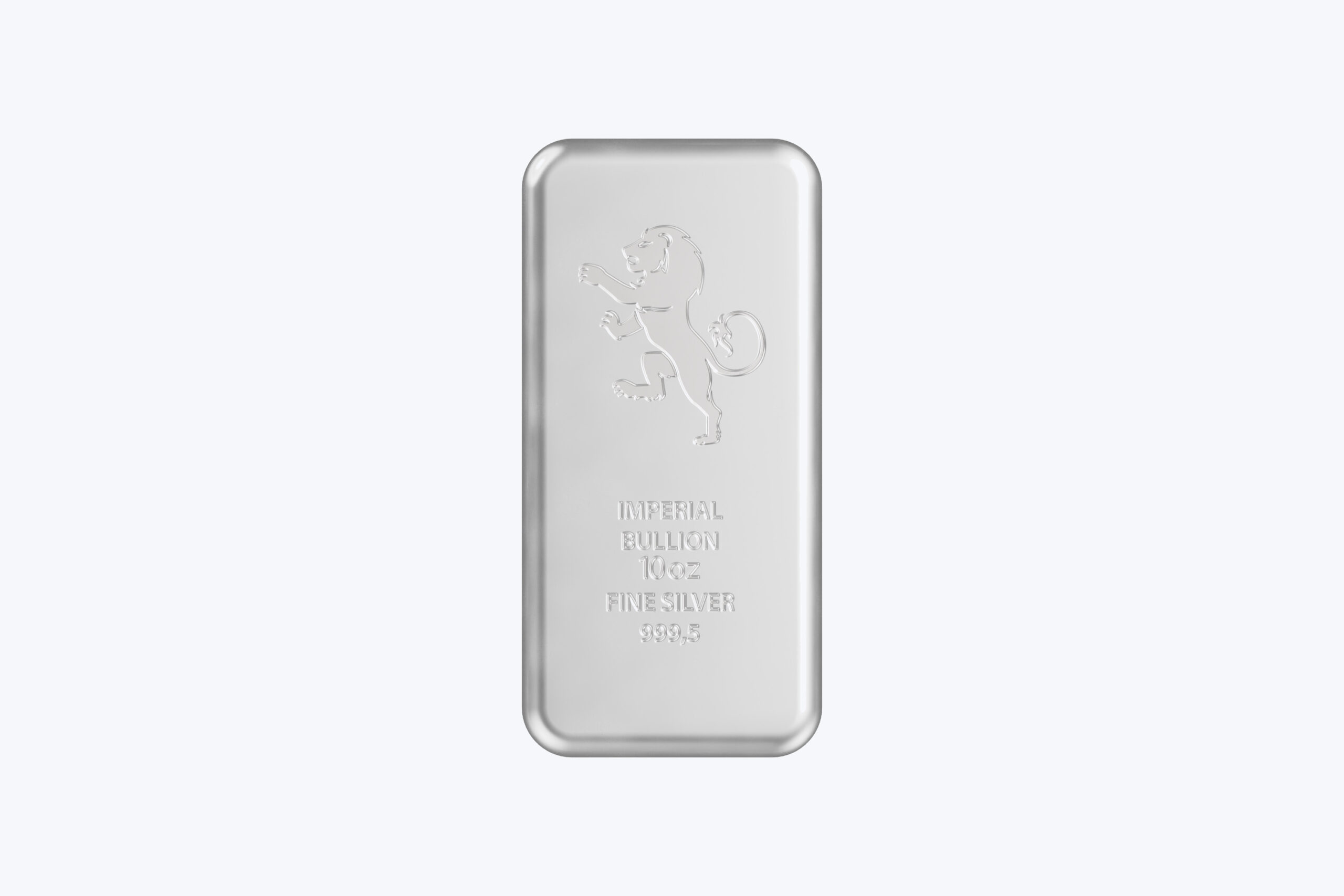
Meanwhile, precious metals continue to trade lower as investors rotate back towards risk assets and geopolitical concerns fade from the headlines.
Gold and silver have both softened over recent weeks despite ongoing inflation concerns and rising government debt levels globally. The current pullback has left investors wondering whether the sector is simply consolidating after a strong rally or beginning a more prolonged period of weakness.
For now, the broader fundamentals supporting bullion remain largely unchanged. Central banks continue accumulating gold, inflation remains elevated in many economies, and geopolitical tensions have not disappeared entirely. However, momentum has clearly shifted in the short term, and traders will be looking closely at today’s inflation report for clues about where markets head next.
Should inflation prove hotter than expected, gold and silver could quickly find renewed support. If inflation continues to cool, investors may remain comfortable favouring shares and other growth assets over traditional safe havens.
Australia’s passport system has become an increasingly discussed source of government revenue, with projections suggesting passport fees could generate around $1.2 billion annually by the end of the decade. An adult Australian passport currently costs significantly more than those issued in many comparable countries and is widely regarded as one of the most expensive passports in the world. While part of the fee covers administration, security features, identity verification and international processing systems, critics argue the charges have grown well beyond the actual cost of delivering the service. The debate centres on whether a passport should operate primarily as a cost-recovery service or as a revenue-generating activity for government. Supporters of the current system point to Australia’s high security standards and global passport ranking, while opponents argue that international travel documentation is an essential government function and should be priced closer to its delivery cost. As Australia continues searching for additional revenue sources to fund growing government expenditure, passport fees have become another example in the broader discussion about where tax and government income should come from, and whether everyday Australians are carrying a larger share of that burden than they realise.