

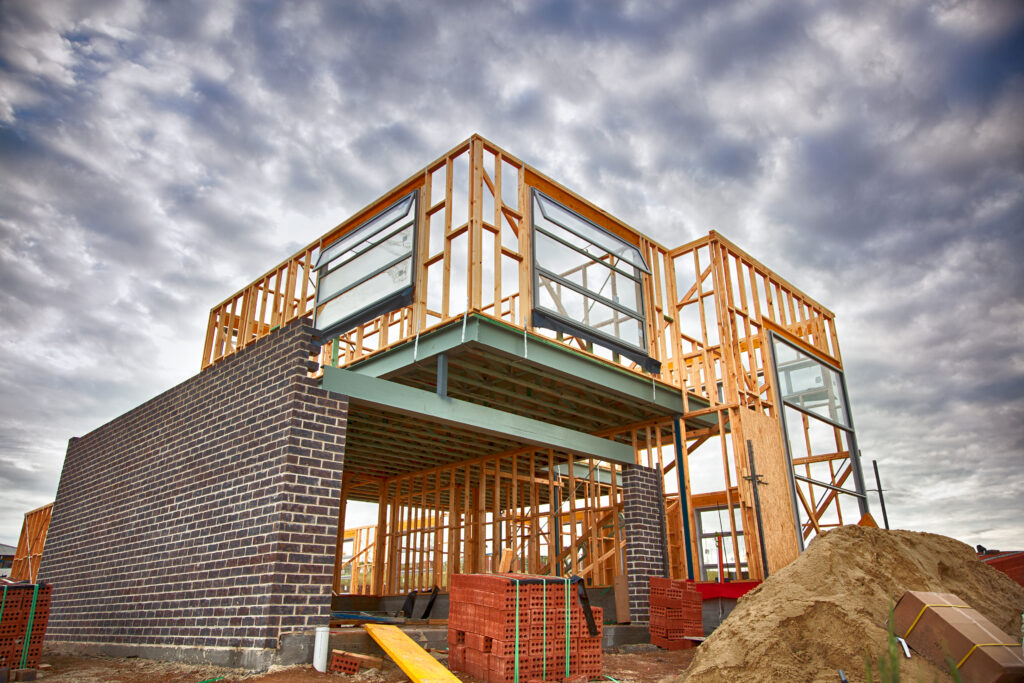
One of the clearest indicators of economic confidence is flashing warning signs this week, with homebuilder sentiment in both Australia and the United States falling to new lows.
New housing construction has slowed dramatically, with recent US housing starts missing expectations by a significant margin. Developers are becoming increasingly cautious as higher borrowing costs, elevated construction expenses and uncertain consumer demand make new projects harder to justify. Similar trends are emerging in Australia, where builders continue to face rising costs and a softer property market.
Housing matters because it sits at the centre of the broader economy. Every new home requires tradespeople, materials, finance, transport, appliances and ongoing services. When builders pull back, the effects ripple through dozens of industries. While a slowdown does not automatically signal recession, sustained weakness in construction activity is often one of the earliest signs that economic growth is beginning to lose momentum.
Inflation data is adding another layer of complexity. Annual US CPI remains elevated at 4.2%, well above the Federal Reserve’s preferred target range. However, the monthly inflation figure came in at just 0.2%, suggesting the pace of price increases may finally be moderating. This creates a difficult balancing act for central banks. Inflation is still running hotter than desired, yet parts of the economy are clearly beginning to slow.
Gold investors have taken notice. Bullion has now posted four consecutive days of gains and is steadily moving back towards its 50-day moving average. After several weeks of weakness, the recent rally suggests investors may be repositioning for a period of slower economic growth and ongoing uncertainty around interest rates. The next major test will be whether gold can successfully reclaim and hold above its 50MDA, which many technical traders view as a key trend indicator.
Meanwhile, oil prices continue to pull back as geopolitical concerns ease and markets become more comfortable with the global supply outlook. Lower energy prices are helping reduce inflation pressures, but they may also reflect growing concerns about future economic demand.
For investors, the message from the market is becoming clearer. Inflation may be slowing, but confidence in future growth is not exactly strengthening. Housing is often one of the first sectors to react when conditions change, and right now builders appear far more cautious than optimistic.
Economists closely monitor housing because it is one of the most interest-rate-sensitive sectors in the economy. When borrowing becomes more expensive, fewer people can afford to build or buy homes, which reduces demand across the construction industry. Housing also has a multiplier effect. A single new home creates work for builders, electricians, plumbers, landscapers, suppliers, furniture retailers and banks. When construction activity expands, economic growth often follows. When it contracts, growth can slow surprisingly quickly. For this reason, measures such as builder confidence, building approvals and housing starts are often viewed as leading indicators. They provide an early glimpse into how businesses and consumers feel about the future, often months before broader economic data reveals the same trend.