
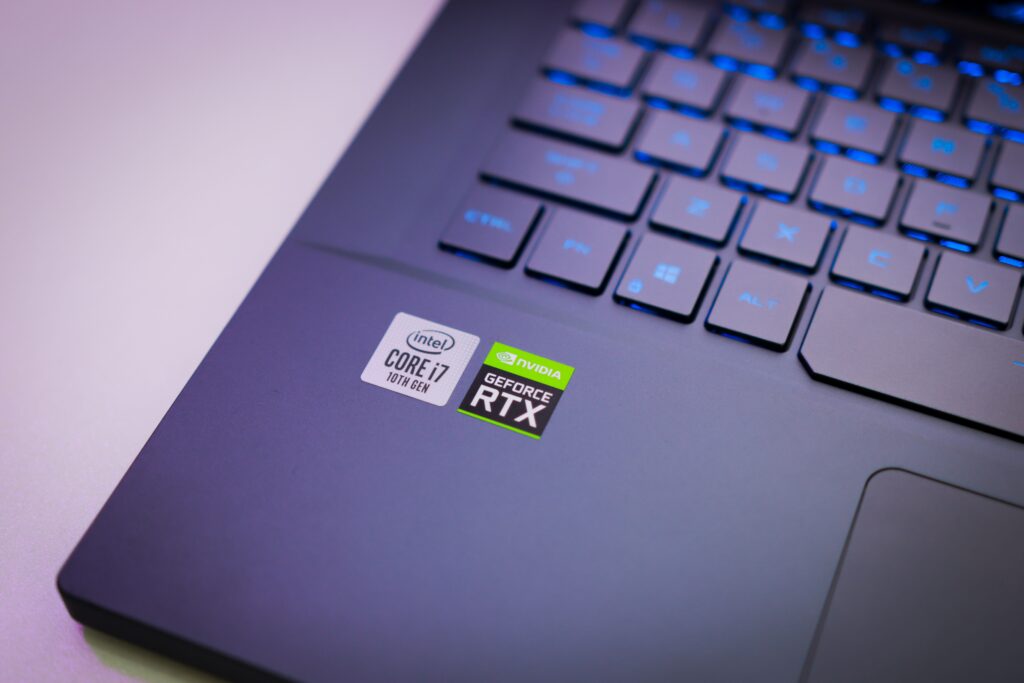
The departure is significant. Nvidia has become the backbone of the global AI economy, and Huang arguably its most recognisable figure.
His resignation comes at a particularly sensitive time, with investors increasingly questioning the enormous sums of money being poured into AI infrastructure. Nvidia has also been reassessing its financial arrangements with AI companies, some of which rely on financial support to purchase Nvidia’s own products. It’s an interesting dynamic that raises questions about how much of the industry’s growth is self-sustaining.
Back home, yesterday’s release of the RBA meeting minutes made for uncomfortable reading. Three of the nine board members who voted against November’s interest rate rise warned that Australia could be approaching a considerably sharper economic downturn, with rising unemployment and falling house prices already giving them cause for concern.
Their argument was a fairly sensible one. With four interest rate rises already delivered this year, perhaps we should wait to see their full impact before introducing another. Unfortunately for Australian mortgage holders, the remaining six members believed persistent inflation posed the greater risk, lifting the cash rate to 4.85%, its highest level in 18 years.
Meanwhile, it’s been a disastrous week for the digital economy. A major cyberattack has compromised software used across the websites of 178 organisations, including CNN, BBC, Zoom, IKEA and HSBC. Rather than attacking each business individually, hackers exploited a single software provider, Optimizely, allowing malicious code to spread across some of the world’s most trusted websites. The attack was designed to steal credit card information, cryptocurrency and other sensitive data.
This follows a string of separate technology failures across the US, affecting United Airlines, JPMorgan Chase, Microsoft and even America’s air traffic control system. While these earlier outages have not been attributed to cyberattacks, collectively they provide a rather concerning glimpse into the vulnerabilities of an economy increasingly dependent on digital infrastructure.
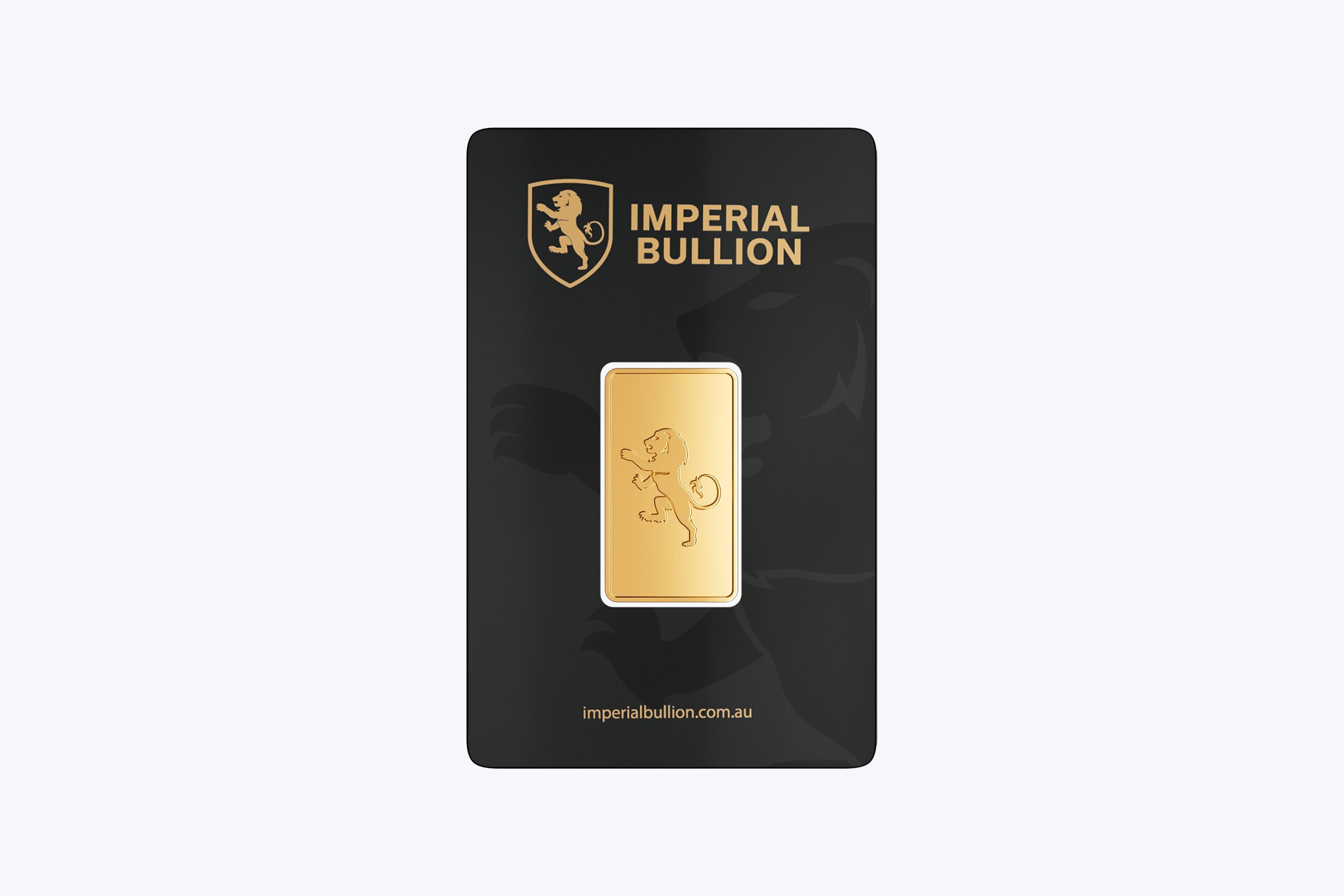
Gold, meanwhile, continues to consolidate around AU$5,730 (US$3,865) per ounce. The precious metal is yet to reclaim the US$4,000 mark (approximately AU$5,935), with elevated interest rates and a strong US dollar continuing to provide resistance. With uncertainty building across both traditional and digital economies, it will be interesting to see whether investors begin moving more of their wealth towards tangible assets.
When we deposit money into a bank, purchase shares or hold cryptocurrency through an exchange, we generally rely on another organisation to facilitate or safeguard our investment. This introduces what is known as counterparty risk, where the failure of another party could affect our ability to access or recover our wealth.
This week’s technology outages provide a timely example of how interconnected these risks have become. Even when a business itself is financially sound, a failure within its technology network can temporarily prevent customers from accessing their assets.
One of the distinguishing characteristics of physical gold and silver, when owned and held directly, is the absence of this type of counterparty risk. A gold bar doesn’t require a functioning server, a banking network or a software provider to exist. While physical ownership introduces its own considerations, including secure storage and insurance, it offers a fundamentally different way of holding wealth.
In an increasingly digital world, there remains considerable merit in diversifying how we own our assets, not simply which assets we own.
Disclosure: This article is provided for general information and educational purposes only and does not constitute financial advice. Markets can move quickly and past performance is not a reliable indicator of future results. Always conduct your own research and consider your personal circumstances before making investment decisions.