

After several weeks of weakness, gold and silver have once again found willing buyers. Prices moved lower this week, but rather than triggering panic, the pullback appears to have attracted investors looking to increase their exposure to precious metals.
The renewed fighting between Iran and Israel has reminded markets that geopolitical risk remains firmly on the table. While traders continue to debate the next move in bullion prices, many investors appear to be focusing on the bigger picture. When uncertainty rises, government debt continues to grow, and inflation remains a concern, holding a portion of wealth in physical gold and silver remains a logical strategy for those seeking stability during periods of volatility.
Equity markets are presenting a more complicated picture. The US500 has recovered from recent weakness, but the rebound lacks the confidence investors have become accustomed to over the past two years. Technology stocks, which have largely carried the market higher throughout the AI boom, are beginning to show signs of hesitation. Although artificial intelligence remains one of the strongest investment themes in the world, valuations across parts of the sector remain elevated, leaving investors increasingly sensitive to earnings misses, economic slowdowns or unexpected geopolitical events.
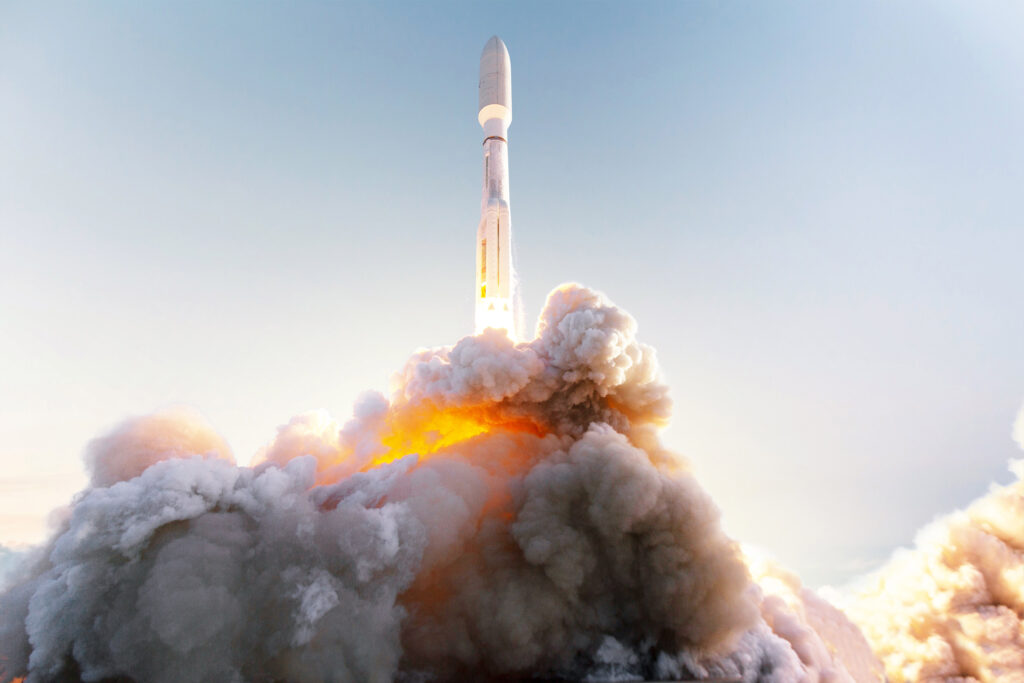
The biggest financial story of the week belongs to SpaceX, which is expected to begin trading following what is being described as the largest IPO in history. The company has reportedly raised approximately US$75 billion and achieved a valuation of around US$1.77 trillion, placing it amongst the world’s most valuable companies almost immediately.
Such a massive valuation inevitably raises an important question: where does all the money actually come from? The answer is that very little new money is created. Instead, capital is constantly moving around the financial system. Investors sell shares, reduce exposure to other assets, deploy cash reserves or redirect funds from managed investments in pursuit of opportunities they believe offer stronger future returns. The market functions as a giant allocation mechanism, continuously shifting money toward assets that investors believe have the greatest potential.
This dynamic helps explain why SpaceX has been able to achieve such a remarkable valuation despite generating less than US$19 billion in annual revenue. Investors are not valuing the company based solely on what it earns today. Rather, they are placing a value on what they believe the company could become through Starlink, space launch services, defence contracts, communications infrastructure and future technologies that may not yet exist in commercial form.
The contrast between SpaceX and precious metals is particularly interesting. Gold and silver derive much of their value from scarcity, history, monetary confidence and their ability to preserve purchasing power over long periods. SpaceX, on the other hand, represents a bet on innovation, technological leadership and future economic growth. As geopolitical tensions rise and investors continue weighing risk against opportunity, capital is finding its way into both camps, highlighting the delicate balance between preserving wealth and pursuing it.
When a company lists on the stock market with a valuation measured in the trillions of dollars, it can appear as though vast amounts of new wealth have suddenly been created. In reality, the overwhelming majority of that money already exists within the financial system. Large institutional investors such as pension funds, superannuation funds, sovereign wealth funds and investment managers constantly move capital between opportunities. To participate in a major IPO, they may sell shares in existing companies, reduce holdings in bonds, draw on cash reserves or rebalance investment portfolios. The money flowing into a new listing is therefore usually being redirected from somewhere else. It is also important to understand the difference between money raised and company valuation. A company may raise tens of billions of dollars through an IPO, but its market valuation reflects what investors collectively believe the entire business is worth based on the share price established by the market. That valuation is heavily influenced by future expectations rather than current earnings alone. This is why investor sentiment plays such a significant role in financial markets. When confidence in future growth is high, valuations can rise rapidly as investors become willing to pay more for future earnings. When confidence weakens, those same valuations can contract just as quickly. Understanding this relationship helps explain why some of the world’s most valuable companies are often valued not on what they are today, but on what investors believe they may become tomorrow.