

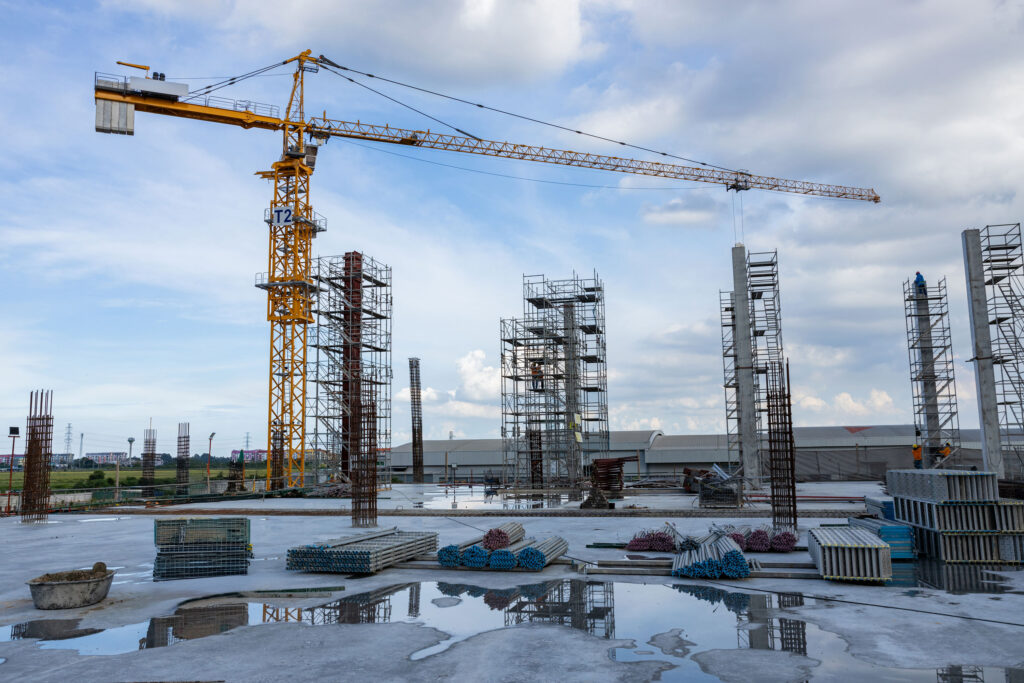
One of Western Sydney’s largest residential developers, Bathla Group, has entered voluntary administration with around $3.6 billion in private debt and a pipeline of almost 15,000 homes and apartments now facing an uncertain future.
Importantly, not all 15,000 homes are currently under construction. Reports suggest around 2,000 are being built, with the remainder spread across more than 100 development sites and future projects. However, even a partial delay or cancellation of this pipeline would be a significant setback for Australia’s already struggling housing supply.
The Federal Government’s target is to deliver 1.2 million new homes between July 2024 and June 2029. Australia is already well behind the pace required, with current forecasts suggesting the target may not be reached until around September 2030. Losing or delaying thousands of homes from one developer only pushes that goal further away.
Bathla has blamed declining sales, higher construction costs and weaker buyer confidence following changes announced in the Federal Budget. This includes the Government’s changes to negative gearing and capital gains tax, which appear to have caused some investors to reconsider purchasing property.
New homes are generally protected under the changes. Investors purchasing an eligible new build can retain access to negative gearing and choose the existing 50% CGT discount when the property is eventually sold. That exemption was specifically designed to direct investment towards new housing supply.
The problem is that investor confidence does not always respond neatly to the fine print. When tax rules become more complicated and buyers are uncertain about how they will be affected, many simply delay making a decision. For a developer carrying considerable debt and relying on continued sales to fund construction, even a temporary drop in demand can quickly create a major cash flow problem.
The collapse also highlights the difficult position facing Australia’s housing industry. Builders are being asked to deliver more homes while dealing with expensive materials, skilled labour shortages, high borrowing costs and increasingly cautious buyers. If developers cannot sell enough properties before construction begins, banks and private lenders may also become less willing to finance future projects.
While the Government wants to reduce investor competition for established homes, Australia still needs private investors to help fund new apartments and housing developments. Weakening that investment too quickly risks reducing rental supply, pushing rents higher and making the broader housing shortage worse.
Precious metals have been moving firmly in the opposite direction. Gold is now trading at approximately A$6,513 per ounce after another week of solid gains. From its earlier lows, gold has recovered by around 15%, suggesting that confidence has returned after an extended period of weaker pricing.
Silver has also continued its hot streak, supported by renewed investor interest and its growing industrial demand. Both metals are benefiting from uncertainty around debt, inflation, interest rates and the strength of property and financial markets.
Australia’s housing problem cannot be solved simply by announcing a construction target. The homes still need buyers, finance, builders and enough profit for developers to remain operating. The collapse of a business with a pipeline of almost 15,000 properties is a reminder that the gap between announcing new homes and actually delivering them remains enormous.
When a large developer enters administration, unfinished projects may be delayed while administrators, lenders and potential buyers decide what happens next. Future developments can also be cancelled or sold to another builder.
This reduces the number of new homes reaching the market. When population growth continues but housing supply slows, buyers and renters are left competing for fewer properties. That can place upward pressure on both house prices and rents.
A major collapse can also make lenders more cautious about financing other developments. Builders may need more presales, contribute more of their own money or pay higher interest rates before construction can begin. These extra costs can make otherwise viable housing projects harder to deliver.
This is why Australia’s housing shortage is not only about planning approvals or available land. The financial health of builders, confidence among property investors and the availability of construction finance are equally important.