
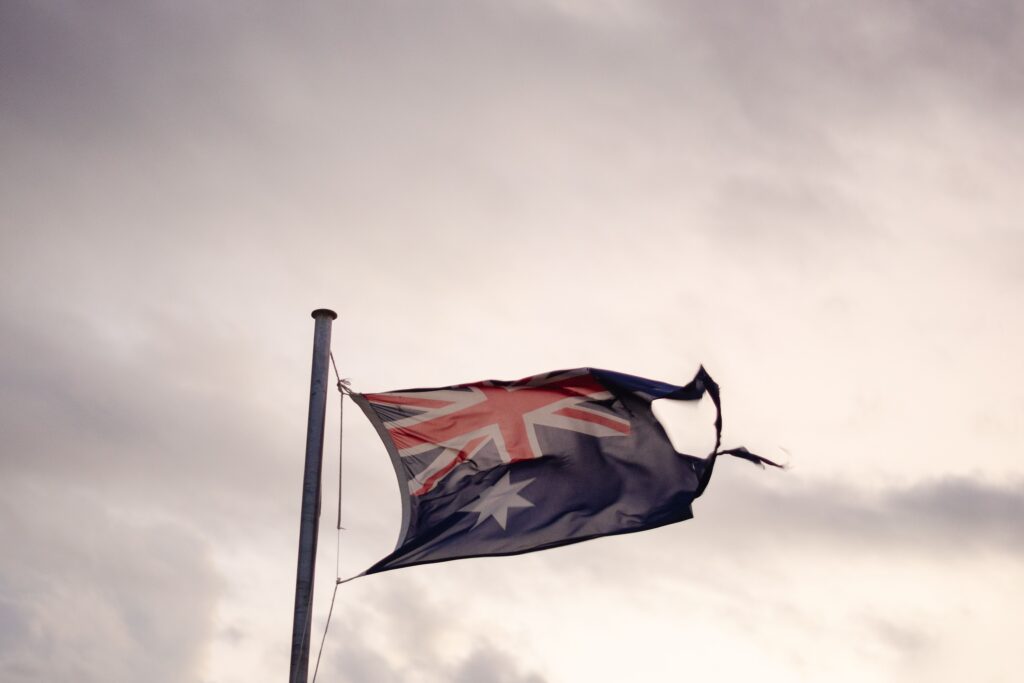
Australia’s economic outlook continues to deteriorate, with persistent inflation, rising unemployment and successive interest rate increases placing enormous pressure on households and businesses. For many Australians, the debate over whether we’re technically in a recession is becoming increasingly irrelevant. Their household budgets have been telling them something is wrong for quite some time.
October’s Consumer Price Index (CPI) reached 4.9%, the highest annual inflation reading in three years, while underlying inflation climbed to 3.8%. Having already raised the cash rate five times this year to 4.85%, the Reserve Bank may still be forced to consider further increases.
Perhaps the most concerning aspect of Australia’s inflation is where it’s coming from. Housing costs have increased by 6.4% over the past year, electricity by 25.2% and the cost of constructing new homes by 5.1%. These aren’t necessarily expenses Australians can choose to go without. Higher interest rates may discourage discretionary spending, but they cannot build more houses, produce cheaper oil or resolve electricity supply issues overnight.
While neither Treasury nor the RBA is currently forecasting a recession, some economists are increasingly concerned about the possibility. An economy can continue growing through population increases and government expenditure while individual Australians experience deteriorating living standards.
With Christmas just around the corner, many businesses will be watching consumer spending closely. A disappointing retail period could provide further insight into just how much financial pressure Australian households are under.
From Fish and Chips to The Lodge?
Against this economic backdrop, Australia’s political landscape is undergoing an interesting transformation. Pauline Hanson, the former fish and chip shop owner who entered federal politics some 30 years ago, is attracting renewed attention as One Nation expands its political presence.
One Nation has also entered the debate surrounding Labor’s controversial taxation reforms, which include a proposed 30% minimum tax on discretionary trusts. The reforms have raised concerns amongst small business owners, investors and families who have traditionally used trust structures to manage their financial affairs.
While the government argues that these changes will improve taxation fairness, opponents question whether increasing the tax burden on private investment is appropriate at a time when Australia needs greater business confidence, productivity and economic growth.
Tomorrow’s Victorian election will provide an interesting indication of how economic dissatisfaction is translating into political support. With One Nation gaining national attention and attracting representatives from the traditional major parties, it raises a question that would have seemed almost unimaginable a decade ago: could Pauline Hanson one day become Australia’s prime minister?
National popularity alone is not enough. One Nation would need parliamentary support to command confidence in the House of Representatives, and Hanson would ordinarily need to move from the Senate to the lower house.
Regardless of political allegiance, the emergence of alternative parties adds another dimension to the economic and policy uncertainty facing Australian businesses and investors.
What Does This Mean for Gold?
Australia’s economic circumstances present several competing influences for precious metals. Higher interest rates traditionally create resistance for gold, while persistent inflation, economic uncertainty and deteriorating confidence can encourage investors to diversify their wealth into physical assets.
The Australian dollar will also be particularly important over the coming months. Should Australia’s economy deteriorate and the dollar weaken, Australian gold prices could benefit even without significant growth in the international gold price.
For investors, the focus remains on preserving purchasing power and managing exposure to an increasingly uncertain economic environment.
Can Australia Be in a Recession Without Being in a Recession?
A technical recession is generally defined as two consecutive quarters of declining Gross Domestic Product (GDP). However, this measurement doesn’t necessarily reflect the economic circumstances experienced by individual Australians.
If Australia’s economy grows by 1% over a year, but its population increases by 2%, the amount of economic output per person actually declines by approximately 1%. When GDP per person declines for two consecutive quarters, economists commonly describe this as a per capita recession.
Population growth and government expenditure can help sustain headline economic growth, potentially masking weaknesses in household consumption, private investment and individual living standards.
For investors, understanding the difference between headline economic growth and growth per person can provide a more meaningful picture of Australia’s economic health, particularly when considering the long-term purchasing power of their savings and investments.
Disclosure: This article is provided for general information and educational purposes only and does not constitute financial advice. Markets can move quickly and past performance is not a reliable indicator of future results. Always conduct your own research and consider your personal circumstances before making investment decisions.