

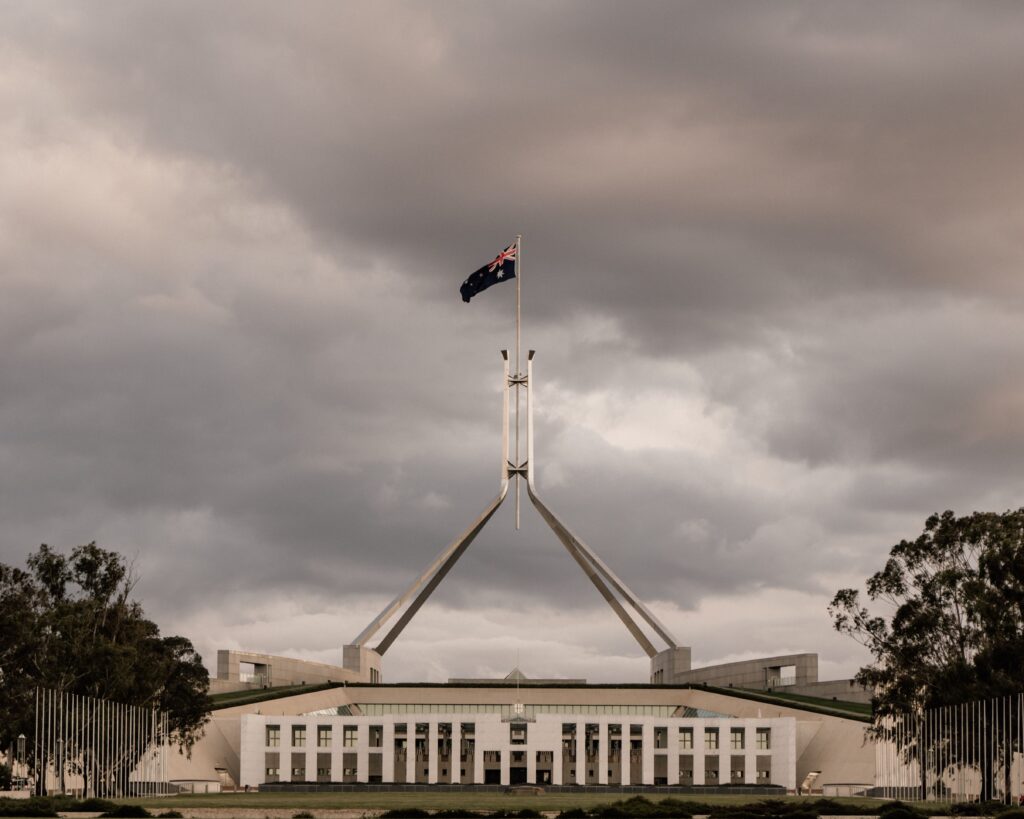
There is a certain irony unfolding at the Reserve Bank of Australia (RBA), where employees are pushing for higher wages while the institution they work for continues raising interest rates to contain inflation. Staff have been offered a 9.5% pay increase over three years, but many aren’t satisfied, arguing that the offer fails to adequately protect their purchasing power against rising living costs.
The Finance Sector Union is seeking an 11% increase over three years, or protection against inflation, whichever delivers the better outcome. Staff previously rejected a similar offer in July, and a second ballot closed on Monday. At the time of writing, the latest result has not been confirmed. The dispute also extends to backpay and working-from-home conditions.
While there is nothing unreasonable about employees seeking fair wages, the situation highlights an uncomfortable reality for millions of Australians who simply don’t have the same bargaining power. Many workers have gone years without a meaningful pay increase, while others are reluctant to even approach their employers given weakening economic conditions and growing concerns around job security.
The latest employment figures aren’t helping confidence either. Australia’s unemployment rate has reached 4.7%, with September recording a net loss of 39,300 jobs. For workers already worried about their financial position, the prospect of negotiating higher wages becomes considerably more difficult when employment opportunities are beginning to contract.
And the numbers paint a fairly grim picture heading towards Christmas. October’s Westpac Consumer Sentiment Index fell to just 80.4, placing Australian confidence amongst its weakest readings since the survey began in the 1970s. Meanwhile, the latest ANZ-Roy Morgan survey found that 56% of Australians believe their families are financially worse off than a year ago, with only 15% reporting an improvement.
With the RBA cash rate sitting at 4.60%, petrol prices remaining elevated and everyday household expenses continuing to climb, Christmas 2026 is shaping up to be another exercise in financial restraint. Families are increasingly having to prioritise mortgages, rent, groceries and electricity ahead of discretionary spending, leaving retailers facing a potentially difficult festive trading period.
There is also an important distinction between wages rising and Australians actually becoming wealthier. A 3% annual pay increase might look reasonable on paper, but when inflation exceeds that figure, employees are effectively going backwards. This is precisely the argument being made by RBA staff, and one that would undoubtedly resonate with households across the country.
For financial markets, the combination of persistent inflation, weakening employment and deteriorating consumer confidence creates an increasingly difficult environment. The RBA must balance the risk of allowing inflation to remain elevated against the possibility of further damaging an already fragile economy. For gold, that uncertainty may provide some support as investors reassess their exposure to traditional growth assets, although higher interest rates and currency movements can still weigh on bullion prices.
Perhaps the greatest irony is that the people responsible for managing Australia’s inflation problem are now confronting the very same erosion of purchasing power that millions of Australians have been experiencing for years. The difference is that many Australians don’t have the opportunity to negotiate their way out of it.
When Australians receive a pay increase, the immediate assumption is that they have more money to spend. However, what really matters is whether their income is increasing faster than the cost of living.
Economists distinguish between nominal wages, which represent the actual dollar amount earned, and real wages, which measure what those dollars can purchase after accounting for inflation.
Consider an employee earning $100,000 annually who receives a 3% pay rise, increasing their salary to $103,000. If inflation over the same period reaches 4%, their income has increased in dollar terms, but their purchasing power has actually declined by approximately 1%.
Disclosure: This article is provided for general information and educational purposes only and does not constitute financial advice. Markets can move quickly and past performance is not a reliable indicator of future results. Always conduct your own research and consider your personal circumstances before making investment decisions.