
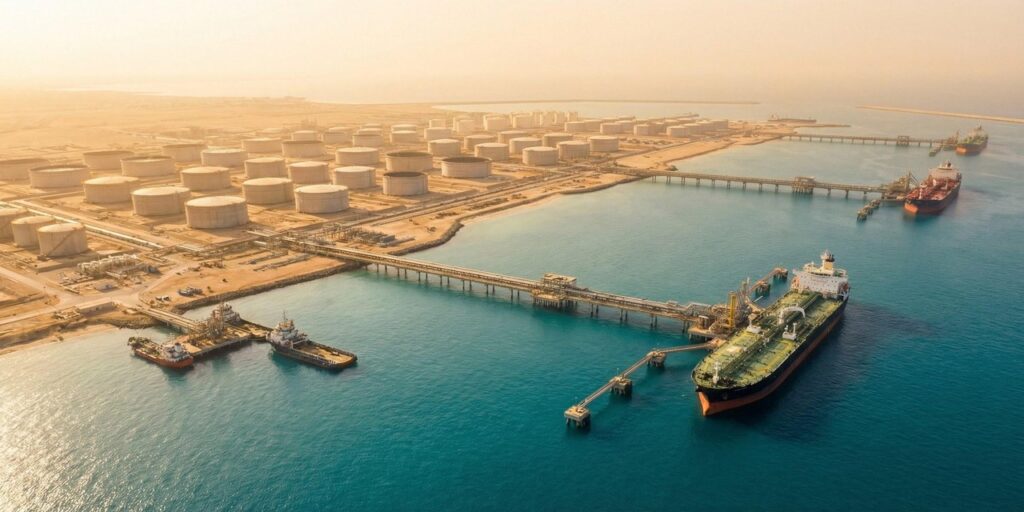
The retreat appears to be partly driven by growing optimism that tensions between the United States and Iran may be easing. Markets are cautiously responding to the possibility of reduced conflict and more stable Middle Eastern oil supplies, although the situation remains fragile. With so much of the world’s oil passing through strategically sensitive shipping routes, it wouldn’t take much for prices to head north again.
For Australia, cheaper oil could provide some much-needed relief from inflation. Transport, agriculture, manufacturing and freight all rely heavily on fuel, meaning lower energy costs can eventually filter through the broader economy. Of course, Australian motorists have become accustomed to watching international oil prices fall considerably faster than prices at the local bowser.
Meanwhile, gold is attempting to rebuild momentum after six consecutive days of stronger trading. The precious metal has been steadily approaching its 50-day moving average (50MDA), an important technical level that traders use to assess the strength of a market’s underlying trend.
Despite the encouraging recovery, gold lost ground late yesterday, retreating towards the increasingly familiar US$4,000 level, approximately A$5,780 per ounce. This price point has become something of a comfort zone for gold recently, with the metal repeatedly returning towards it during periods of uncertainty.
A convincing move above the 50MDA could encourage renewed buying interest, while another rejection may suggest the market needs more time to consolidate before attempting a sustained rally.
Interestingly, falling oil prices could eventually provide some support for gold. Lower energy costs can ease inflationary pressure, potentially giving central banks more room to reduce interest rates. With gold offering no interest income, lower rates can improve its attractiveness relative to cash and bonds.
For now, markets appear cautiously optimistic that geopolitical tensions are cooling. However, with gold still struggling to break through technical resistance, investors may need a little more convincing before confidence returns.
Although gold and oil are both commodities, their prices respond to different economic forces. Oil is primarily influenced by global supply and industrial demand, while gold is more sensitive to interest rates, currency movements and investor confidence.
When oil prices rise sharply, the additional cost of transport, manufacturing and distribution can contribute to inflation. Central banks may respond by maintaining higher interest rates, making interest-bearing investments relatively more attractive than gold.
Conversely, falling oil prices can help reduce inflationary pressure, potentially allowing central banks to lower interest rates. This can improve gold‘s appeal, particularly when investors are seeking to preserve purchasing power.
However, the relationship isn’t automatic. If oil prices are falling because the global economy is weakening, gold may also benefit from increased demand for defensive assets.
Understanding these relationships helps investors recognise that gold doesn’t necessarily need rising inflation or geopolitical conflict to perform well. Sometimes an improving interest rate outlook can be just as important.
Disclosure: This article is provided for general information and educational purposes only and does not constitute financial advice. Markets can move quickly and past performance is not a reliable indicator of future results. Always conduct your own research and consider your personal circumstances before making investment decisions.