

Gold’s recent recovery is beginning to look fragile after spending several weeks attempting to regain lost ground. Bullion has now approached its closely watched 50-day moving average, but rather than breaking through with confidence, the chart suggests momentum is starting to fade. Technical traders often view the 50MDA as an important battleground between buyers and sellers, and at present, the sellers appear to be pushing back.
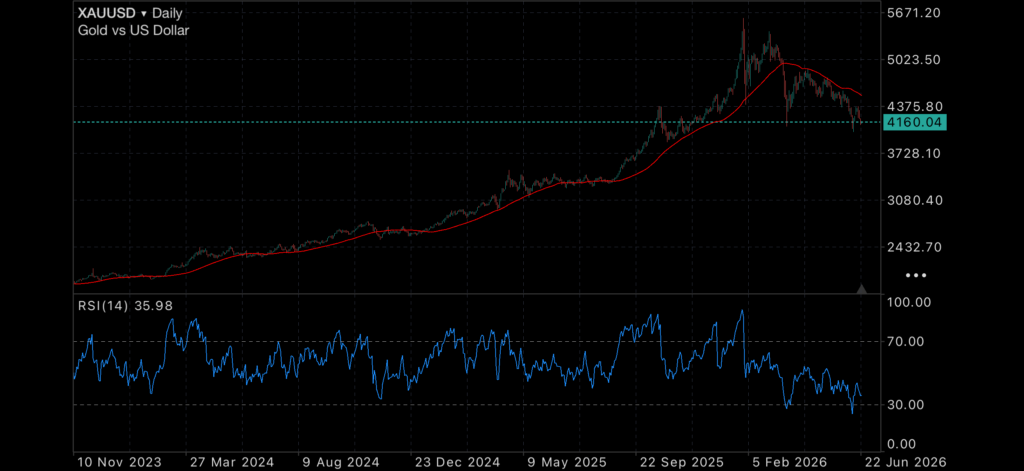
While gold remains well above where it traded a year ago, the force behind its earlier 2026 rally has clearly softened. Recent price action suggests investors are waiting for a stronger catalyst before committing to the next major move. A clean break above the 50MDA would likely improve sentiment, but failure at this level could reinforce the view that gold’s recovery was simply a pause within a broader downward trend.
The catalyst many expected to arrive from the Middle East may now be slipping away. Only days ago, markets were treating the latest US-Iran negotiations as a genuine pathway towards stability in the region. Draft agreements had reportedly been discussed, sanctions relief was being explored, and there was optimism that shipping through the Strait of Hormuz could begin returning to normal conditions.
That optimism has deteriorated quickly. Reports from recent diplomatic meetings suggest negotiations have become increasingly strained, with both sides hardening their public positions. The result is a peace process that now appears considerably less certain than it did just a week ago. For global markets, the importance of Hormuz cannot be overstated. Roughly one-fifth of the world’s oil supply moves through the narrow waterway, which means every setback in negotiations increases the risk that energy prices could once again become a source of inflation pressure across the global economy.
At the same time, Europe is offering an early glimpse of what Australia could be facing later this year. France is experiencing a severe summer heatwave, with temperatures reaching extreme levels across parts of the country and authorities issuing heat warnings in several regions. Across much of Western Europe, temperatures are running well above seasonal averages, while dry conditions are beginning to raise concerns around agriculture, energy demand and public health.
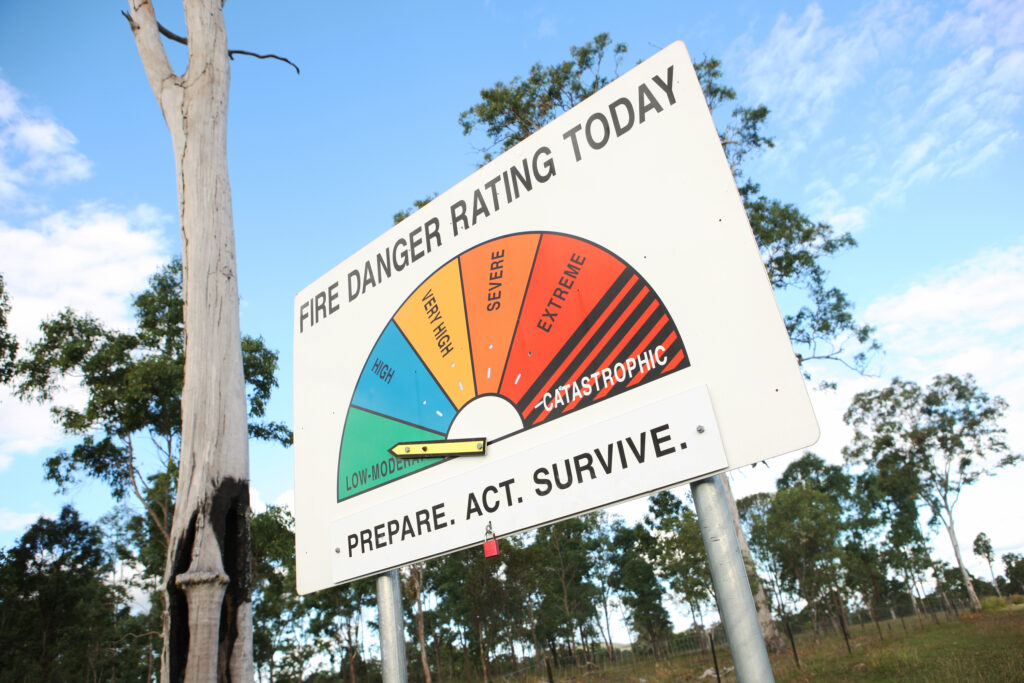
For Australians, the uncomfortable question is whether this becomes a preview of our own summer. If El Niño conditions continue to develop, Australia could be facing a hotter and drier period ahead, particularly across eastern and inland regions. Historically, El Niño has been associated with reduced rainfall, higher daytime temperatures and increased bushfire risk. Not every El Niño produces the same outcome, but when the pattern strengthens, the odds of extreme summer conditions rise with it.
That leaves markets watching three very different but connected risks. Gold is sitting at a technical crossroads, Middle East diplomacy is no longer looking as stable as it did, and weather extremes are again raising questions about energy, food prices and inflation. The second half of 2026 may yet be shaped less by optimism and more by how well markets handle pressure when the headlines turn uncomfortable.
El Niño is a natural climate pattern that occurs when sea surface temperatures in the central and eastern Pacific Ocean become warmer than normal. While the warming happens thousands of kilometres away, it can have a powerful influence on Australian weather. During an El Niño year, Australia is more likely to experience lower rainfall, hotter daytime temperatures and an increased risk of drought and bushfires. Farmers, insurers, energy providers and governments all pay close attention because a dry summer can affect crop yields, water storage levels, livestock conditions, electricity demand and emergency planning. Not every El Niño produces the same result, and local conditions still matter. However, some of Australia’s hottest and driest summers have occurred during strong El Niño events. When forecasters begin talking about El Niño strengthening, they are effectively warning that the odds of a more difficult summer are increasing.