

The latest ABS figures are not entirely negative. Employment actually increased by around 39,000 people during August, but the gains were concentrated in part-time employment, which rose by 46,000, while full-time employment fell by around 6,000. More Australians also entered the labour force, helping push the unemployment rate higher.
For the RBA, the timing is interesting. The cash rate is currently 4.35%, with the next monetary policy decision due on Tuesday, 29 September. Inflation remains above the RBA’s 2–3% target range, and the Bank has recently made it clear that persistent inflation remains its major concern.
A softer labour market would ordinarily strengthen the argument for caution. However, RBA Governor Michele Bullock recently suggested unemployment somewhere around 4.5% to 5% could be consistent with reducing inflationary pressure. In other words, unemployment reaching 4.6% does not necessarily mean the RBA will change course.
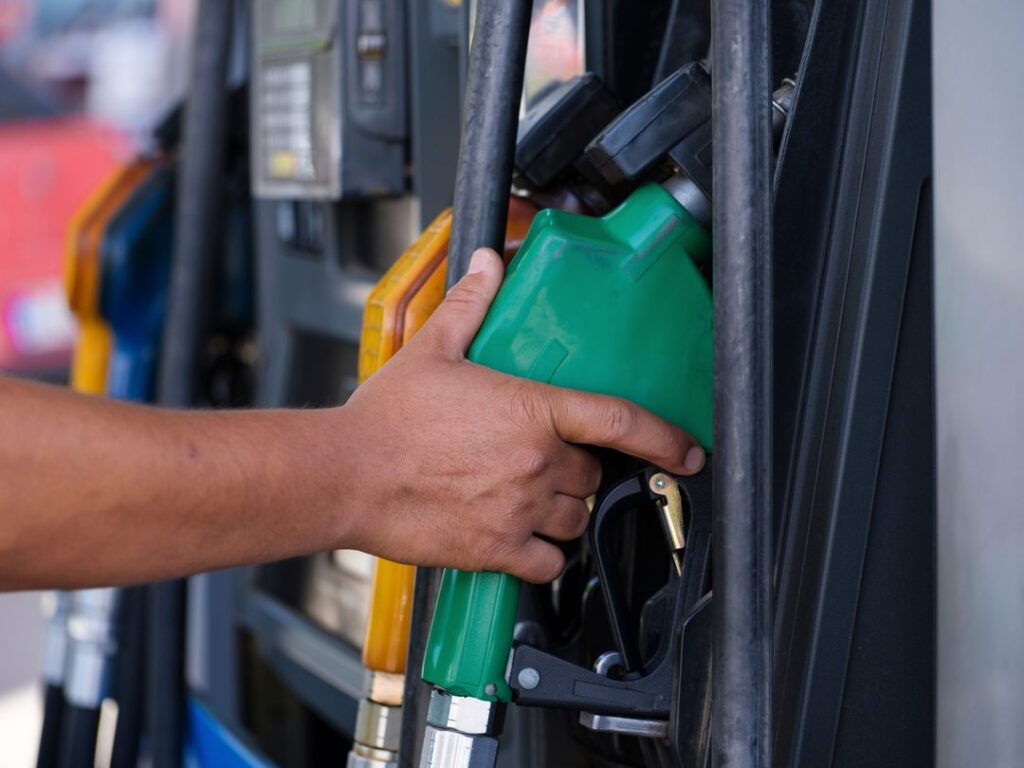
Global oil prices have finally started to ease, with Brent crude falling from around US$110 a barrel last week to roughly US$98. Normally that would be welcome news for Australian motorists, but the relief has yet to arrive at the bowser.
The national average unleaded petrol price reached approximately $2.27 per litre last weekend, while diesel averaged an extraordinary $2.74 per litre. Australian retail fuel prices can lag movements in global oil markets, and importantly, crude oil is only part of the equation. Refined fuel benchmarks, shipping, the Australian dollar, taxes and retail pricing cycles all influence what Australians eventually pay.
That means the RBA is confronting an awkward combination: unemployment is rising at the same time households continue to absorb unusually high energy costs.
Gold and silver, meanwhile, are sitting in something of a holding pattern. Both metals have steadied following recent weakness as investors weigh competing forces from inflation, interest rates, geopolitical uncertainty and the US dollar. Higher interest rates can create pressure for precious metals because cash and bonds become more attractive, while persistent inflation and geopolitical uncertainty can work in the opposite direction.
For Australian investors, the next few days could therefore be particularly interesting. The RBA meets on Tuesday, followed by another Australian inflation update on Wednesday. With unemployment moving higher but fuel and broader inflation pressures remaining elevated, the economic signals are becoming increasingly difficult to reconcile.
The price of crude oil and the price displayed at an Australian petrol station are connected, but they are not the same thing. Australia imports much of its refined fuel, so local petrol prices are influenced more directly by Asian refined fuel benchmarks than by Brent crude alone. Currency movements, shipping costs, taxes, wholesale margins and retail pricing cycles are then added before the fuel reaches the bowser.
There is also a delay. A fall in crude prices today does not instantly reduce the cost of fuel already purchased, refined, shipped and distributed through Australia. Industry estimates suggest sustained falls in international prices can take a week or two to become visible at the pump.
That is why falling oil prices are encouraging, but Australians may need to see those lower prices persist before meaningful relief arrives.
Disclosure: This article is provided for general information and educational purposes only and does not constitute financial advice. Markets can move quickly and past performance is not a reliable indicator of future results. Always conduct your own research and consider your personal circumstances before making investment decisions.