

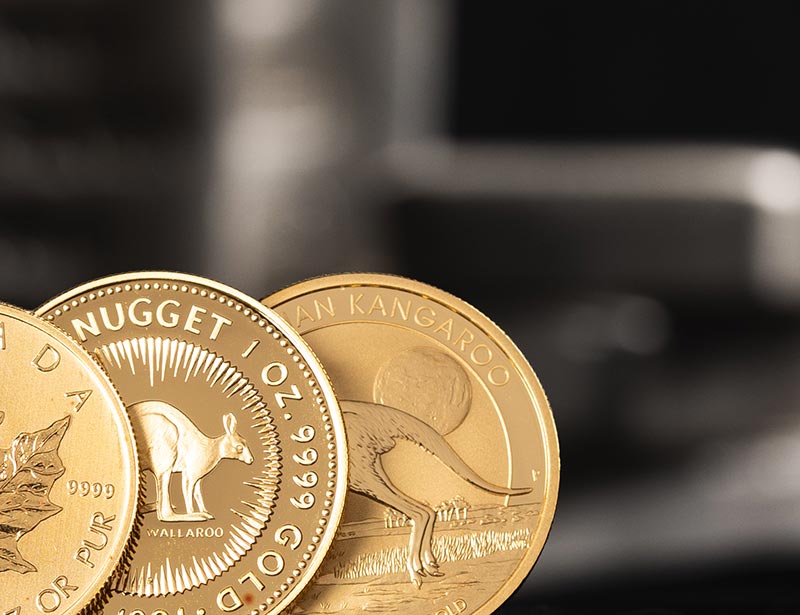
Gold has moved back into a critical technical zone this week, retesting its 50-day moving average after a period of volatility. The metal has now touched this level twice in recent sessions, suggesting the market is testing whether the broader uptrend remains intact. Silver, however, has not held as well, with price swings pushing it below its own 50-day moving average. The divergence between gold and silver is notable, often signalling uncertainty in the precious metals complex as investors weigh geopolitical demand against tighter monetary conditions. Technical traders will be watching closely to see whether gold can hold this support level, as a decisive break could invite a deeper correction.
At the same time, the geopolitical backdrop continues to deteriorate. The conflict involving Iran, the United States and Israel is now spreading into global commodity markets, with disruptions to energy and shipping routes driving price increases across multiple sectors. Oil prices have surged back above US$100 per barrel as traders factor in supply risks linked to instability around the Strait of Hormuz, a critical artery for global energy flows.
The knock-on effects extend well beyond oil. Fertiliser markets are also tightening, with urea prices climbing sharply as supply routes through the Middle East come under pressure. Urea is one of the world’s most widely used nitrogen fertilisers and a key input for crops such as wheat and rice. Sustained price increases could lift agricultural production costs globally, eventually flowing through to food prices and inflation.
Meanwhile in Australia, the Reserve Bank has added further pressure to an already stretched consumer sector. The RBA lifted the cash rate by 25 basis points to 4.1% in a narrow board decision, citing persistent inflation risks and rising energy costs linked to global conflict. For many households, the move is expected to translate into thousands of dollars in additional annual mortgage repayments.
The broader concern is what happens next. As energy, fertiliser and shipping costs rise simultaneously, the risk is that inflationary pressure spreads across the entire supply chain. From fuel and freight to farming and food production, the global economy is now facing a wave of cost increases that central banks have little ability to control directly.
Politically, the situation is also becoming more fragmented. Reports indicate the United States is seeking additional military and strategic support from European allies as tensions deepen, yet many governments appear reluctant to become directly involved in another extended Middle East conflict. That hesitation highlights just how uncertain the geopolitical landscape has become.
For bullion markets, that uncertainty remains the key driver. Safe-haven demand tends to rise when geopolitical risk escalates, but the simultaneous rise in global interest rates creates competing pressure on precious metals pricing. In the near term, the 50-day moving average for gold may act as the line that determines which force wins.
Technical Indicators FOR GOLD – Weekly Projections
Daily technical indicators – SELL, leading into weekly projection of STRONG BUY
Weekly technical indicators chart.
| RSI(14) | Buy |
| STOCH(9,6) | Buy |
| STOCHRSI(14) | Oversold |
| MACD(12,26) | Buy |
| ADX(14) | Overbought |
| Williams %R | Neutral |
| CCI(14) | Buy |
| ATR(14) | High Volatility |
| Highs/Lows(14) | Buy |
| Ultimate Oscillator | Buy |
| ROC | Buy |
| Bull/Bear Power(13) | Buy |
Urea is one of the world’s most widely used nitrogen fertilisers and a critical input for modern agriculture. Produced from ammonia using natural gas, it supplies the nitrogen crops need to grow efficiently and maintain high yields. It is used across major crops including wheat, corn, rice and pasture grasses, making it one of the most important fertilisers in global food production.
The Middle East is a major exporter of urea, with countries such as Qatar, Saudi Arabia, Iran and Oman producing large volumes due to access to inexpensive natural gas. A significant portion of this supply moves through the Strait of Hormuz, one of the world’s most important shipping chokepoints. Estimates suggest roughly 20–30% of globally traded urea passes through this corridor, meaning disruptions in the region can quickly tighten supply and push prices higher.
Australia imports most of its nitrogen fertilisers, making local farmers highly exposed to global price movements. When urea prices rise, fertiliser costs increase almost immediately, lifting the cost of growing crops and producing livestock feed. If disruptions around the Strait of Hormuz continue, Australian agriculture could face higher fertiliser costs in the months ahead, adding another layer of inflation pressure to food production.